Song Meaning
The narrator returns from a period of confinement, only to find the world, and specifically the judgment of others, unchanged. A profound sense of injustice hangs heavy, as they perceive everyone around them believes their punishment was insufficient. This return sets the stage for an unsettling confrontation with a past that refuses to stay buried.
The core tension in these lyrics stems from the narrator's internal struggle with their past actions and the unwavering external condemnation. Despite having "did my time," the repeated refrain, "I know you think my sentence was too light," reveals a deep-seated awareness of how others view them. This isn't just about a legal sentence; it's about a moral one, intertwined with a personal betrayal by a woman who "weren't true" after the narrator "waited" for over ten years.
The most striking craft element is the recurring line about the sentence, which acts like a constant, gnawing thought, shaping the narrator's perception of every interaction. Coupled with the enigmatic phrase, "Bride and bridle are too close in a man's mind," the lyrics suggest a complex interplay between commitment, control, and the bitter aftermath of a broken bond. The "bridle" here hints at restraint and ownership, perhaps reflecting on the nature of the relationship itself or the narrator's own constrained circumstances.
These lyrics are effective because they use sparse, direct language to build a visceral narrative of simmering resentment and impending reckoning. The specific details, like the precise number of days waited and the father's "ten years" bet, ground the emotional weight in tangible terms. The ominous hints of violence – "on the trail of a man" and "three men have a date with me" – create a palpable sense of dread, leaving the listener to grapple with the inevitable, violent conclusion that the narrator seems both resigned to and determined to execute.
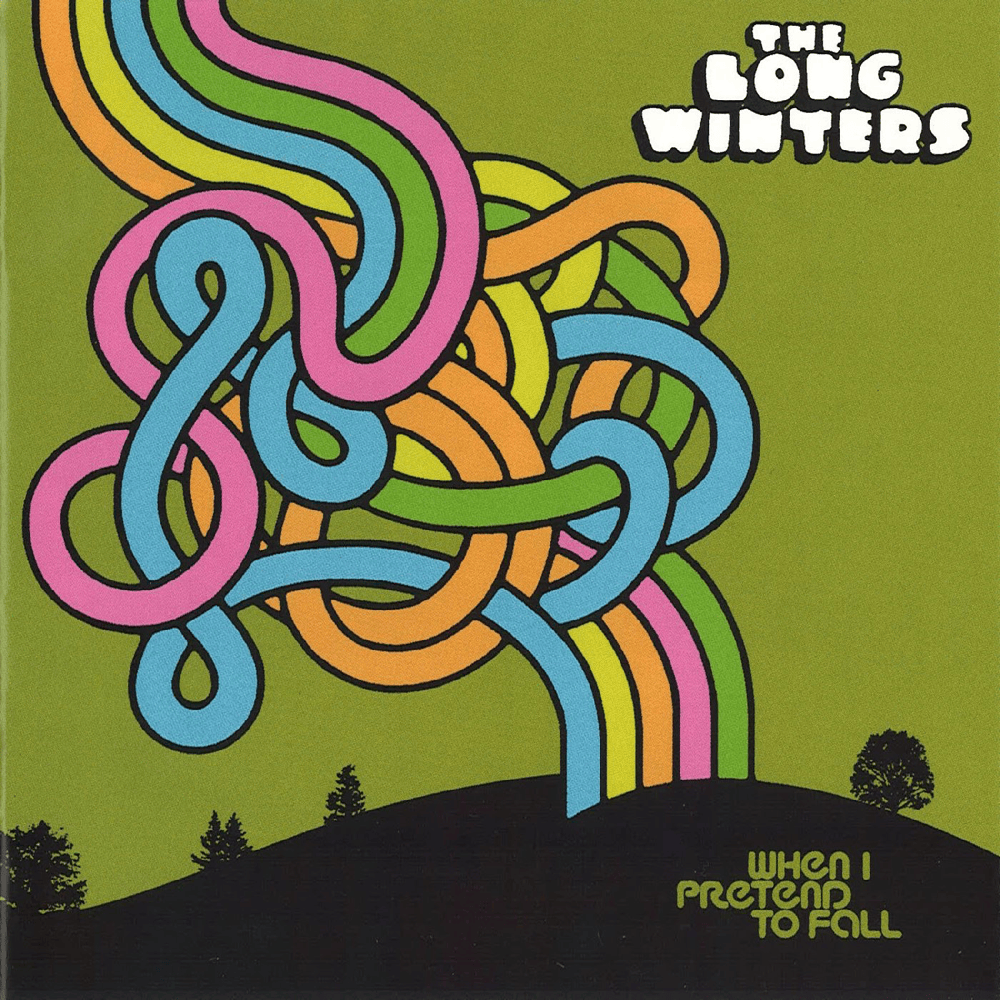
 View Artist