Song Meaning
The lyrics paint a stark, almost gothic scene at a gravesite, where a pivotal moment of confession or declaration is overshadowed by a palpable sense of dread and unspoken conflict. The narrator attempts to assert their worth, but the setting—amidst "dead folks" and their "forgotten songs"— amplifies the weight of past failures and present anxieties. The imagery of eyes staring at the ground and wind scattering leaves creates a somber, unsettled atmosphere, suggesting a relationship already in decay, even as a desperate hope for validation flickers.
The central tension lies in the narrator's perception of the other person's conflicting desires: the hope that the narrator is both lying (perhaps about their worthiness) and a fool (perhaps about the possibility of redemption). This duality mirrors the song's core concept of "two sides of lonely." One side is presented as a grim finality, "one's in the grave," while the other is a more active, perhaps self-imposed, state of isolation, hinted at by the phrase "the other should be." This suggests a profound disconnect, where connection is impossible, and even shared experiences become sources of mutual desolation.
The most striking craft element is the persistent, almost surreal invocation of the dead. They aren't just a backdrop; they "sang their forgotten songs," and later "hum all the songs that you sung," implying that the past, and perhaps the relationship's demise, is an inescapable, echoing presence. The dead also "sway back and forth to the drum," a rhythmic, almost mournful dance that underscores the cyclical nature of their sorrow. This personification of the deceased as active participants in the present emotional landscape heightens the sense of inescapable melancholy and the feeling that the living are trapped by the weight of what's gone.
Ultimately, these lyrics resonate because they articulate a profound, almost existential loneliness that transcends simple sadness. The "two sides of lonely" aren't just about being alone, but about the different ways isolation can manifest—one as a passive, inevitable end, the other as an active, perhaps chosen, state of being. The stark imagery and the haunting presence of the dead create a powerful emotional texture, suggesting that some relationships, or perhaps some lives, are destined to be defined by a profound, unbridgeable chasm, leaving only the echoes of what might have been.
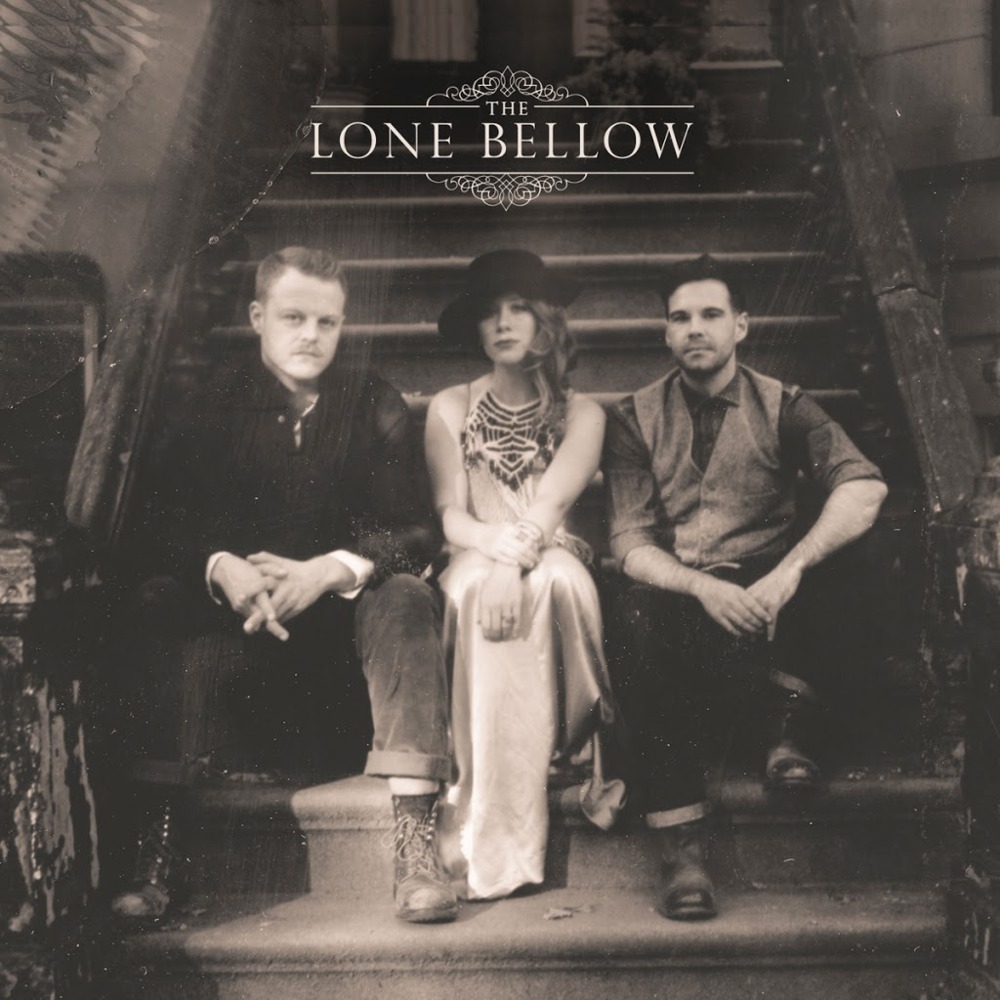
 View Artist