Song Meaning
The lyrics paint a stark, visceral picture of enforced ignorance and physical coercion. The repeated phrase, "Most things go unnoticed with your eyes gouged out," immediately establishes a tone of brutal suppression, suggesting that true awareness or perception is impossible when one is deliberately blinded. This isn't just about physical sight; it implies a deeper inability to comprehend or resist when one's senses and agency are systematically destroyed. The repetition hammers home the inescapable reality of this state.
The central tension lies in the contrast between the absolute blindness described and the limited resistance offered by physical pain. "They can only twist your arm so much" suggests a point of endurance, a limit to what the body can withstand before breaking. Yet, this limit is framed within the context of having one's eyes already gouged out, implying that this physical pain is secondary to the profound sensory deprivation. The narrator appears to be describing a situation where the ultimate violation – the blinding – has already occurred, making the subsequent physical torment almost a footnote.
The most striking aspect of the craft is the stark, almost clinical repetition of violent imagery. The phrases are short, declarative, and devoid of elaborate metaphor, lending them a chilling directness. The juxtaposition of "eyes gouged out" and "twist your arm" creates a disturbing, almost absurd scenario where the most extreme violation is presented alongside a more conventional form of torture. This deliberate lack of narrative or emotional elaboration forces the listener to confront the raw brutality of the images themselves.
Ultimately, these lyrics are effective because they bypass complex emotional appeals and instead rely on the sheer shock value of their imagery. The bluntness and repetition create a sense of overwhelming, inescapable violation. The narrator seems to be conveying a feeling of utter powerlessness, where the only remaining measure of resistance is a physical limit that is already overshadowed by a more profound, sensory obliteration.
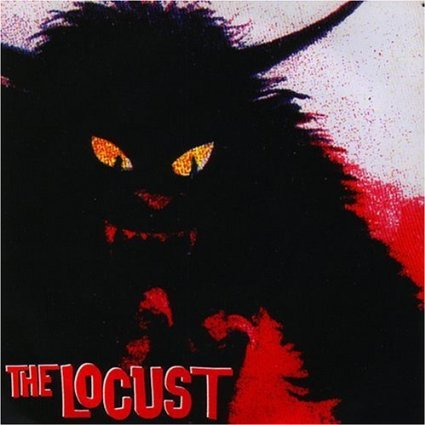
 View Artist