Song Meaning
The scene is starkly set: 10:15 on a Saturday night, a time usually associated with social activity, but here it’s marked by the relentless, mundane sound of a dripping tap. The narrator is physically isolated, "sitting in a kitchen sink," a bizarre and uncomfortable image that amplifies a sense of being submerged in their own misery. This isn't just a quiet night; it's a tableau of loneliness.
The dominant tension arises from the agonizing wait for a phone call that never seems to come. The narrator is "waiting for the telephone to ring," a desperate hope juxtaposed with the certainty that it won't. This waiting is intertwined with a profound sense of loss, as they are "crying for yesterday," longing for a past connection that feels irretrievably gone. The dripping tap becomes a sonic manifestation of this stagnant, sorrowful present.
The most striking aspect of the craft is the repetition and the specific, almost claustrophobic imagery. The phrase "And the tap drips" is repeated, each instance driving home the inescapable nature of the narrator's situation. The sound itself, "Drip, drip, drip, drip," mimics the slow, agonizing passage of time and the persistent, low-grade pain. Placing the narrator "in a kitchen sink" is a powerful, unsettling metaphor for feeling overwhelmed and trapped by their emotions.
This writing is effective because it uses simple, concrete details to build a potent emotional atmosphere. The contrast between the expected Saturday night and the reality of the dripping tap and isolation creates a palpable sense of melancholy. The lyrics don't explain the heartbreak; they immerse the listener in the feeling of it through sensory details and a suffocating sense of waiting.
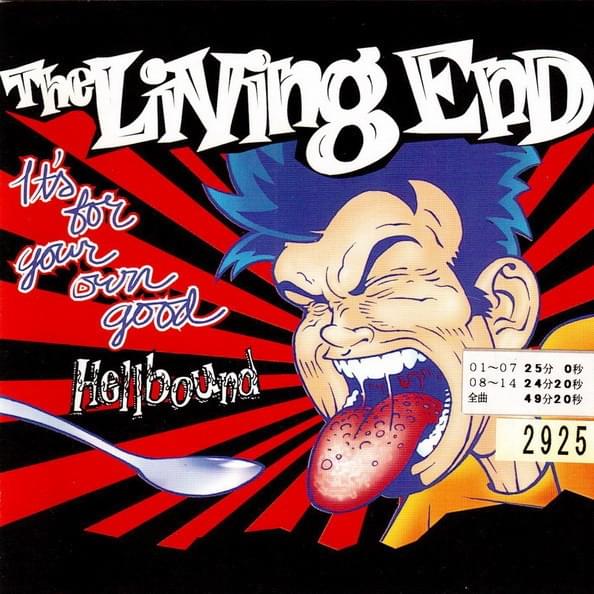
 View Artist