Song Meaning
The narrator finds a solitary refuge "high on a hill," observing the "city" below as a distant, "tame" entity. This elevated position is a deliberate act of "hiding," a place where their possessions are unequivocally "mine." The dominant tone is one of detached contentment, almost a smug satisfaction with this chosen isolation, far removed from the "common pace."
The central tension arises from the narrator's insistence on remaining in this elevated state, resisting any calls to return to the world below. They "don't care for the common pace," and even the "lights" of the city, flickering in an indecipherable "code," fail to entice them back. This isn't just a preference; it's a firm "intention of remaining above for one more day," suggesting a fragile hold on this peace, requiring effort to be "fetch[ed] from the sky."
The lyrics employ a striking contrast between the narrator's lofty perch and the "people still down there," emphasizing a self-imposed hierarchy. The phrase "what's mine is mine" is repeated, reinforcing the possessiveness and exclusivity of this solitary domain. The idea that "only the angels sing of something even finer" elevates their current state, implying that earthly pleasures or connections are inferior to their chosen solitude.
This deliberate withdrawal creates a powerful sense of self-sufficiency, albeit one that feels precarious. The narrator’s insistence on staying "above" suggests that the peace found on the hill is hard-won and easily disrupted, making their defiant contentment all the more compelling. It’s a potent depiction of finding solace in separation, even if that solace is tinged with a hint of vulnerability.
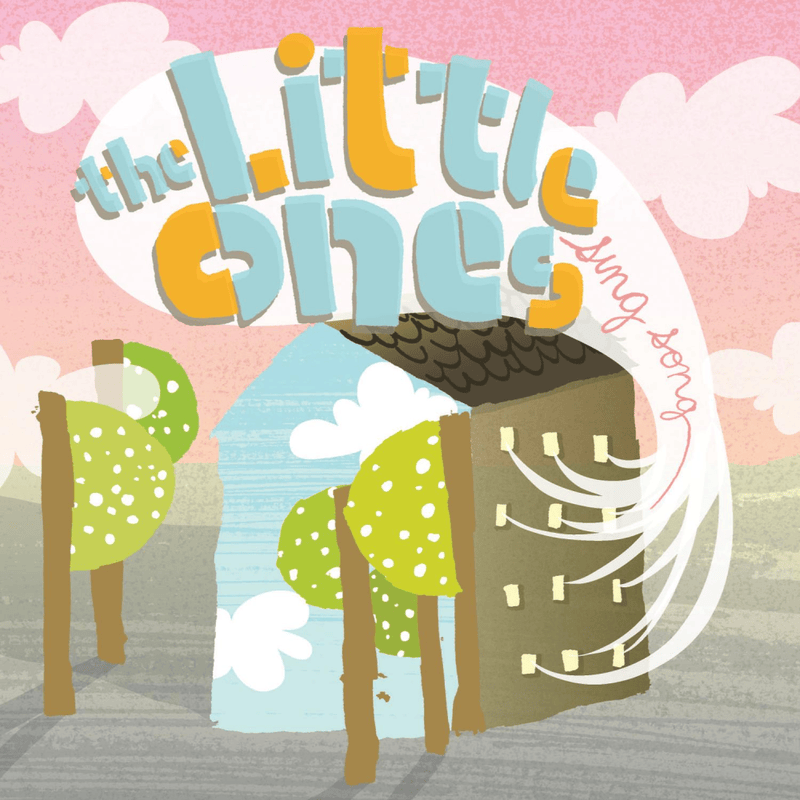
 View Artist