Song Meaning
The lyrics paint a somber picture of loss and its aftermath, beginning with a sense of inevitable departure from a "wilderness." There's a prevailing mood of resignation, a collective "wallow" in the face of death, yet a defiant assertion that "love shall not" be extinguished. This sets up a central tension between personal grief and a broader, almost philosophical, endurance of love.
The narrative crystallizes around a specific, yet unnamed, "Richard" whose death is a pivotal event. The narrator recalls making someone "mine" on "the night that Richard died," linking personal intimacy to public tragedy. The repetition of this phrase, alongside the "newscasters cried," anchors the emotional weight to a shared, televised moment of mourning, suggesting how public events can become deeply personal markers.
The lyrics grapple with the nature of legacy and what can truly be taken. While fame can be stripped away, the narrator suggests that the essence of a person, or perhaps the love they inspired, remains untouched. The line "Shall his death have no dominion" echoes a spiritual sentiment, contrasting with the more earthly concerns of fame and honor. The repeated plea to "Forgive him all their lies" introduces a complex layer of judgment and absolution, directed perhaps at Richard, his accusers, or the media itself.
This work resonates through its juxtaposition of the personal and the public, the ephemeral nature of fame against the enduring power of love. The craft lies in the stark, declarative statements and the haunting repetition, creating a sense of ritualistic remembrance. The narrator appears to be processing a profound loss, finding solace not in forgetting, but in the persistent echo of connection and the hope for forgiveness in the face of perceived injustice.
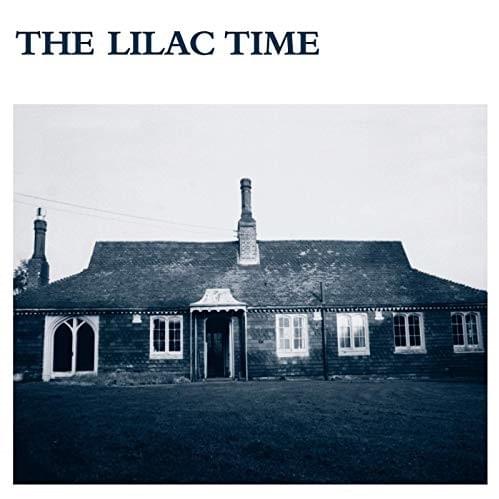
 View Artist