Song Meaning
The lyrics paint a stark picture of self-deception and the consequences of betrayal, framing a personal failing as a universal 'problem.' The opening verses establish a pattern: letting down friends, people, and oneself, which attracts only the most opportunistic or morbid company. This descent is mirrored in the second verse, where lying to others becomes a lie to oneself, a refusal to face a truth too harsh to comprehend, leading to a willful pretense of normalcy.
The central tension lies in the narrator's shifting blame and denial. Initially, the problem is presented as a consequence of their actions. However, this evolves into a defiant assertion, 'It's you with the problem,' a complete inversion that highlights the depth of their denial. The phrase 'I am a pimp and a slave' encapsulates this internal conflict—a simultaneous claim of control and utter subjugation, a paradox that fuels their self-destructive path.
The craft here is in the relentless repetition of 'a problem becomes a problem' and the escalating list of those let down. This structure hammers home the inescapable nature of the narrator's situation. The shift in the final verse, from 'I ain't got a problem' to 'It's you with the problem,' is a critical turning point, showcasing a desperate attempt to externalize their internal rot. The imagery of digging one's own grave, juxtaposed with the spoonful of sugar, underscores the bitter reality masked by a false sweetness.
This lyrical construction is effective because it mirrors the psychological process of denial. The listener is drawn into the narrator's spiral, first recognizing the pattern of failure, then witnessing the desperate, ultimately futile, attempts to escape accountability. The final, accusatory lines leave a lingering sense of unease, a testament to how effectively the lyrics capture the isolating nature of profound self-deception.
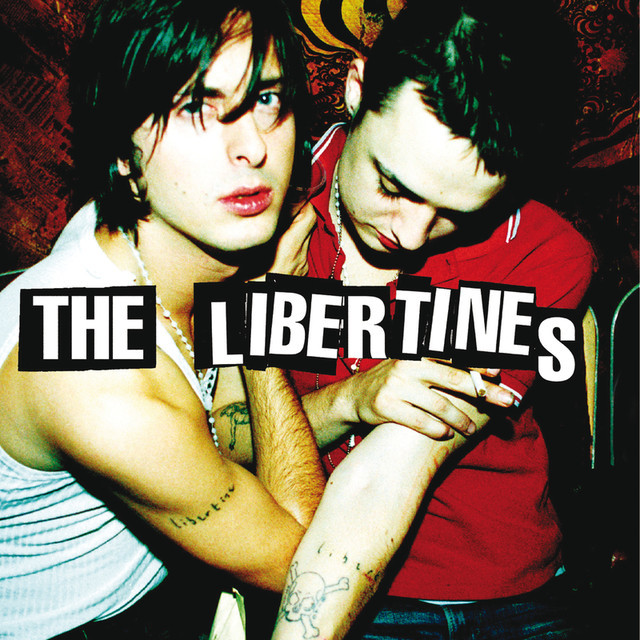
 View Artist