Song Meaning
The narrator's desire for freedom clashes with the complexities of a relationship. The opening lines establish a yearning for an unburdened existence, comparing it to natural elements like a "bluebird flying by" and "waves out on the blue sea." This imagery suggests a natural, effortless state of being. However, this freedom is immediately framed by the potential constraint of love, leading to a stark ultimatum: "If your love has to tie me, Don't try me, say goodbye." The narrator is not against connection, but against any form of possessiveness that would limit their autonomy.
The core tension lies in the desire for both intimacy and independence. The narrator wants a partner who is present and supportive, "close enough to guide me," but not suffocating. They explicitly reject the weight of romantic declarations like "Don't say you love me, say you like me," indicating a preference for a less demanding emotional commitment. This isn't a rejection of affection, but a plea for a specific kind of closeness – one that allows for personal space and self-determination.
The bridge offers a glimpse of an idealized relationship, one filled with simple joys like holding hands and "Laughin' in the sun." Crucially, this vision is qualified by the phrase "Without any strings to tie me down." This highlights that even in moments of deep connection, the narrator's need for freedom remains paramount. The repetition of "I wanna be free" in the outro reinforces this central theme, underscoring its persistent and driving nature throughout the song.
Ultimately, the lyrics resonate because they articulate a common human struggle: balancing the desire for love and companionship with the fundamental need for personal liberty. The narrator's directness and the clear contrast between desired freedom and potential romantic entanglement make the emotional stakes palpable. It's a powerful expression of wanting to be loved on one's own terms, without sacrificing the self.
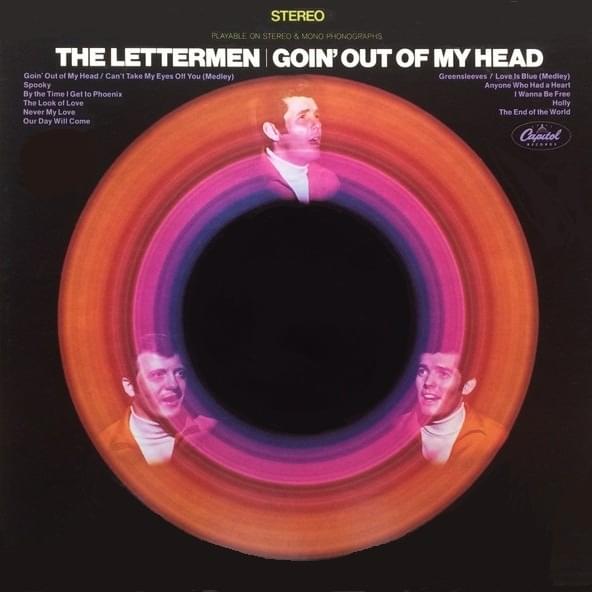
 View Artist