Song Meaning
The lyrics paint a picture of enduring, yet unrequited, love set against a pastoral scene. The opening verse establishes a specific, almost idyllic location – a meadow with a stream – where a declaration of eternal love is literally etched into a tree. This image immediately grounds the song in a tangible memory, suggesting a past commitment that the narrator holds onto with deep conviction. The initial tone is one of romantic remembrance, a snapshot of a promise made and seemingly cherished.
However, this romantic ideal is sharply contrasted with a present-day reality of betrayal and longing. The bridge reveals the narrator's painful observation of their beloved with someone else, a stark juxtaposition to the vows carved in the tree. The desire to be the one receiving that affection, "I wish that it were me," injects a potent dose of heartbreak and personal yearning into the narrative. This shift highlights the central tension between a cherished past and a disappointing present.
The most striking element of the craft is the persistent repetition of the phrase "I love you 'til I die." This declaration, initially presented as a shared promise, becomes a solitary mantra for the narrator. It transforms from a symbol of mutual devotion into an expression of their own unwavering, perhaps even desperate, commitment. The lyrics suggest this phrase is not just a memory but a present-day anchor, a testament to a love that persists despite the absence of reciprocity.
Ultimately, the effectiveness of these lyrics lies in their simple, direct emotional arc. The song taps into the universal pain of unfulfilled love and the way a single, potent memory can become a focal point for both comfort and sorrow. The contrast between the enduring natural setting and the transient nature of the relationship, coupled with the unwavering declaration, creates a poignant and memorable portrait of a love that lives on, even when it's no longer shared.
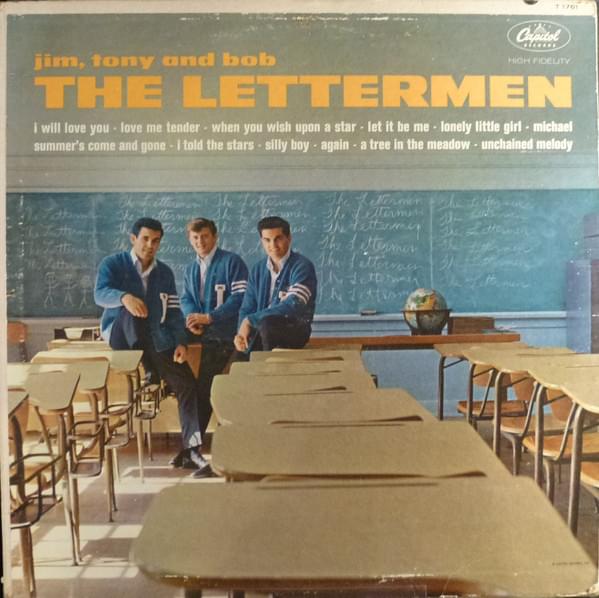
 View Artist