Song Meaning
The opening lines of "Losing Your Mind" present a jarring paradox: a strange comfort found in mental unraveling. It's a familiar sensation, the lyrics suggest, a "re-realize" that this isn't a novel experience. This immediate twist sets a tone of weary acceptance for a mind in flux. The narrator finds solace in the cyclical nature of losing control.
The initial comfort quickly gives way to profound disillusionment. The narrator describes a grand ambition, having "learned how to fly," only to discover a crushing void where the sky should be. This isn't just a lack of clouds or birds; it's an existential emptiness, a burnt-out "beyond" that mocks previous aspirations. The vivid absence of natural elements paints a stark picture of a world stripped bare of meaning, suggesting that the very act of seeking transcendence led to nothing.
A key craft element emerges in the repeated image of a "tired knot" that the speaker has tried to untie. This powerful alliteration and metaphor captures a self-imposed mental tangle, an exhausting internal struggle. The subsequent indecision—whether to lie or tell the truth and try to hide it—underscores a deep conflict about honesty, perhaps with oneself, and the futility of concealing an already known, uncomfortable reality. The repetition of this dilemma emphasizes its inescapable, cyclical nature.
Ultimately, these lyrics are effective because they articulate a specific kind of existential exhaustion. They juxtapose the initial, almost perverse comfort of mental instability with the profound disappointment of a world that fails to meet grand expectations. The imagery of flight leading to no sky, combined with the "tired knot" of indecision, creates a potent sense of a mind trapped in a loop of disillusionment and unresolved internal conflict, leaving the listener with a resonant feeling of weary, familiar struggle.
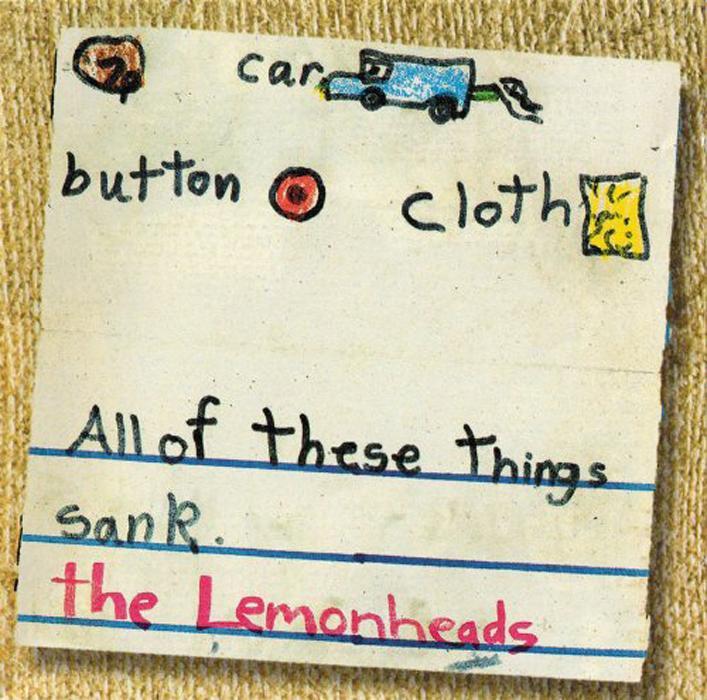
 View Artist