Song Meaning
The lyrics introduce a narrator who embraces a deliberate lack of knowledge, finding comfort in not knowing what another person thinks or what their own future holds. This chosen ignorance extends to personal moral compass, admitting "glad I don't know left from wrong." It's a posture of detachment, framed as a source of relief.
Despite the stated "gladness," a central tension emerges from the narrator's intense speculation about the "you" character. The speaker accuses "you" of playing "tricks all day" and then projects wildly contrasting emotional states, from "wishing you were dead" to being "real happy." This suggests a deep-seated preoccupation, where the claimed ignorance might be a shield against a complex, perhaps manipulative, relationship.
The repeated refrain, "I'm glad I don't know," functions as a powerful rhetorical device. In the first verse, it applies to personal uncertainties like "how or when I'll fall." By the second verse, it becomes a way to distance from the chaotic and potentially unsettling reality of "you," whose state is imagined as anything from "well installed" to "fuckin' right out of your head." This repetition underscores a conscious, almost defiant, embrace of detachment.
These lyrics are effective because they tap into the complex human desire to avoid uncomfortable truths. The narrator isn't just ignorant; they are *glad* to be so, presenting this avoidance not as a flaw but as a strategic choice. This creates a nuanced portrayal of self-preservation, where a cynical detachment becomes a coping mechanism against perceived manipulation and overwhelming uncertainty.
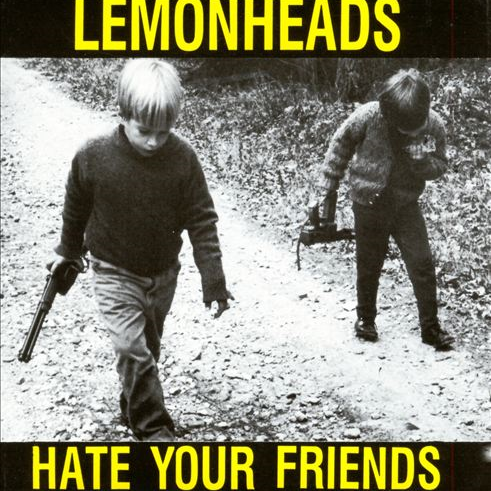
 View Artist