Song Meaning
The lyrics paint a stark picture of isolation and loss, with the narrator feeling utterly alone and grappling with a profound sense of dread. They repeatedly state, "I know I'm the only one," emphasizing a self-awareness of their solitary state and the perceived finality of their situation. This isn't just a fleeting sadness; it's a deep-seated fear that paralyzes their mind, leaving them unable to process the reality of having "lost the one who's near to me."
The central tension revolves around a desperate plea to reclaim something precious that has vanished, symbolized by "peppermint roses." The narrator oscillates between bidding farewell to these symbolic roses and a fervent desire to "bring my peppermint roses back." This internal tug-of-war is amplified by the appearance of a "Holy Father," suggesting a spiritual or authoritative figure who seems to be the gatekeeper of this lost comfort, and the narrator questions the necessity of this painful separation. The shift from "peppermint roses" to "pretty red hat" and then "pretty white hat" in the chorus might indicate a changing perception of what was lost or a superficial replacement for the deeper emotional need.
The most striking lyrical device is the transformation of the "peppermint roses" into something painful and destructive. Initially a symbol of something cherished, they become "written in the dirt" and are described as "cutting me open," "making me hurt." This visceral imagery transforms the lost object from a source of comfort into an active agent of suffering. The final lines, "Paint my candy cane roses black," represent a complete subversion of the initial imagery, signifying a desire to extinguish the memory of what was once sweet and vibrant, perhaps as a coping mechanism for the pain.
This song's effectiveness lies in its raw portrayal of emotional desolation and the tangible way it articulates the agony of loss. The direct, almost blunt declarations of loneliness and fear, coupled with the vivid, unsettling imagery of the "peppermint roses" turning destructive, create a powerful sense of internal conflict. The narrator's inability to escape the pain, even when trying to replace or destroy the memory, resonates deeply, making the plea to "bring those peppermint roses back" feel like a primal scream against an overwhelming sense of despair.
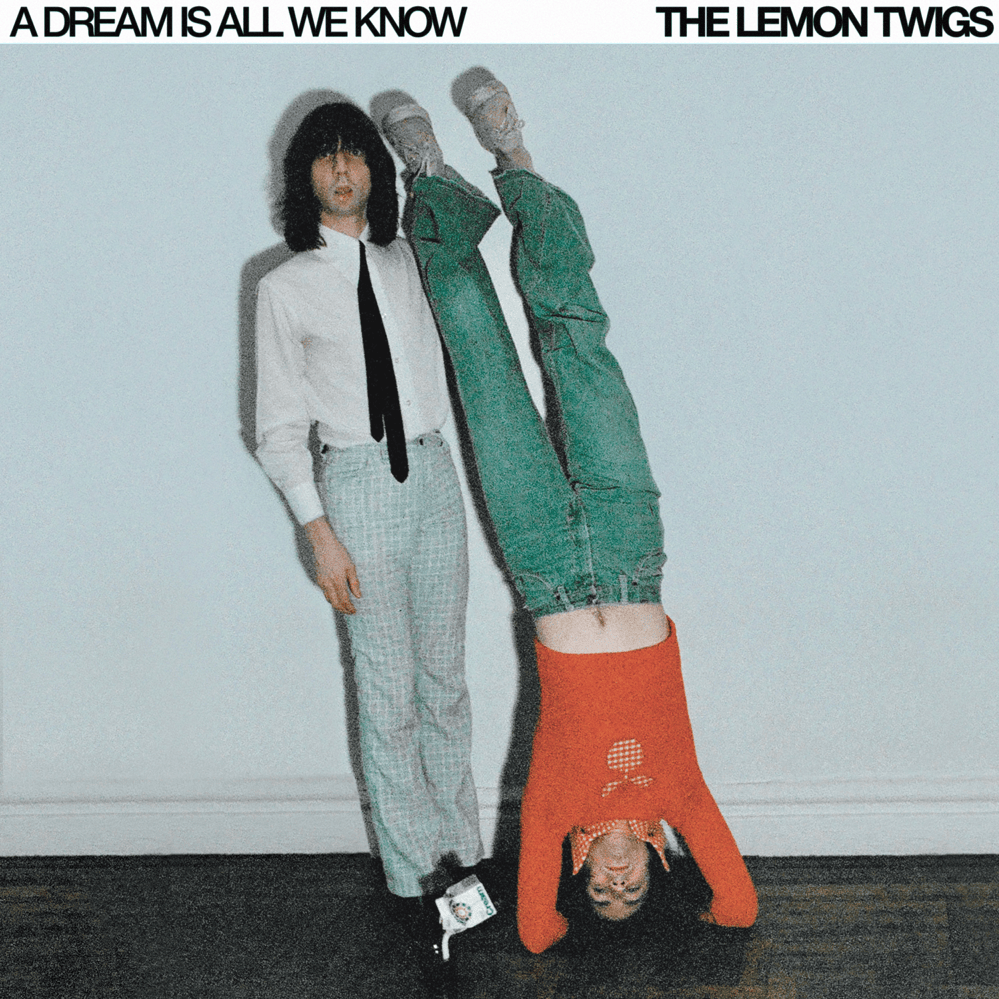
 View Artist