Song Meaning
The lyrics open with a tense negotiation, a direct exchange of promises and demands. One speaker offers to "make you see" if their wishes are shared. The counter-offer is freedom – "I will let you be" – but only if the other commits. It's a stark setup of conditional love.
This transactional dynamic quickly establishes the core conflict: the push and pull between individual autonomy and relational obligation. The speaker promises stability, but only "As long as you come home." This isn't unconditional acceptance; it's a freedom tethered to a strict return. The repeated, almost desperate, pleas to "Come home" underscore an underlying anxiety about abandonment.
The lyrical craft excels in its subtle shifts. The domestic image of taking the train to work grounds the relationship in everyday reality, yet it's immediately followed by a possessive warning about absence. This juxtaposition highlights how mundane routines can mask deep emotional dependencies. The final, parenthetical line, "(Here just forget all that)", acts as a sharp, almost cynical, internal commentary, suggesting that personal identities are often sacrificed at the altar of a demanding relationship.
These lyrics resonate because they articulate the often-unspoken power dynamics within intimate relationships. The speaker's blend of alluring promises and firm conditions creates a complex portrait of love intertwined with control. The effectiveness lies in how the text exposes the subtle ways personal freedom can be bartered for perceived stability, leaving the listener to ponder the true cost of such an arrangement.
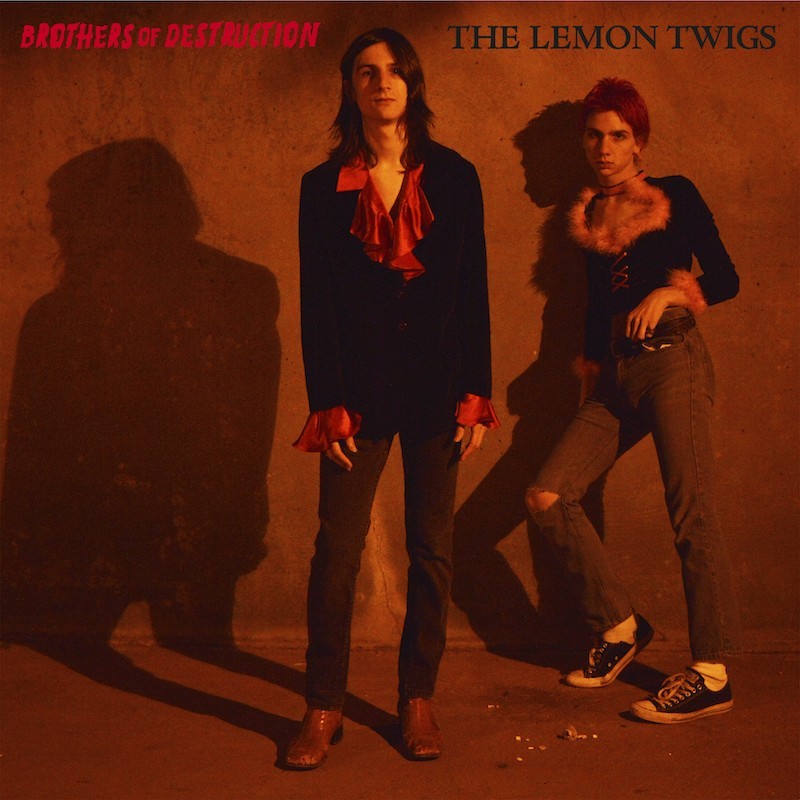
 View Artist