Song Meaning
The lyrics paint a stark picture of someone consumed by a primal urge for survival, even at the expense of their own well-being. The narrator declares "There's nothing I could die for anymore," immediately undercut by a chilling exception: "Except maybe for the, for the kill." This suggests a profound emptiness where once there might have been purpose, now replaced by a raw, instinctual drive. The line "my instinct of survival is overcoming my self-worth" is particularly potent, framing this shift not as a choice, but as an involuntary surrender to a more basic, animalistic state.
The central tension lies in the juxtaposition of a "broken heart" with the identity of a "wild beast." This isn't just about being alone or lost; it's about a fundamental alteration of self. The repeated declaration, "I'm just a wild beast with a broken heart," acts as a mantra, solidifying this new, painful identity. The imagery of "driving roads of Burbia looking for a prey" and the cynical observation that "there's a lot to eat on the freeway" further illustrate this predatory existence, driven by necessity rather than desire.
The most striking aspect of the writing is the self-awareness of the narrator's own danger. They acknowledge, "Everybody knows that / You should keep away from / The haunted beast." Yet, there's a strange paradox in the warning: "danger is so very rare / Can catch you in a stingless stare." This implies the danger isn't overt violence, but something more insidious, perhaps the emptiness or the brokenness itself that draws others in or repels them. The repetition of "wild beast with a broken heart" hammers home the inescapable nature of this condition, a constant reminder of the internal devastation fueling the external struggle.
Ultimately, these lyrics resonate because they articulate a feeling of being stripped down to one's most basic, desperate self. The raw, almost brutal honesty about survival overriding self-worth, coupled with the haunting image of a predatory creature wounded at its core, creates a powerful, unsettling portrait. It’s the feeling of being fundamentally changed by pain, forced into a mode of existence that is both necessary and deeply alienating.
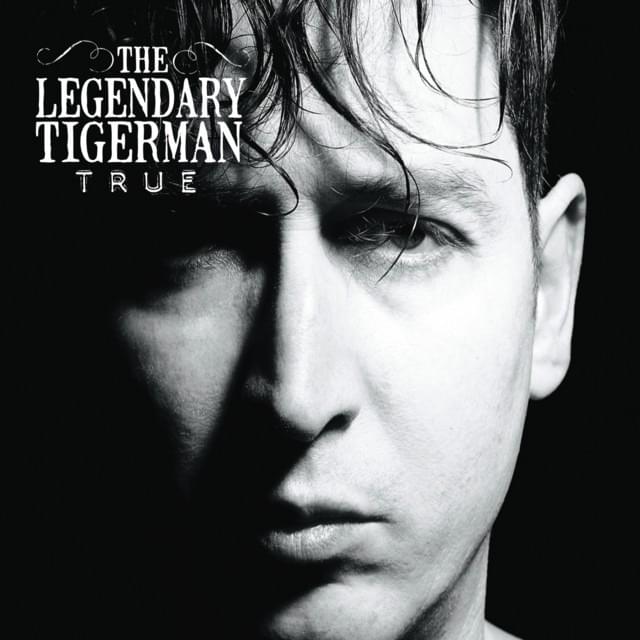
 View Artist