Song Meaning
The narrator is caught in a desperate plea, a raw confession of love tinged with the crushing weight of perceived indifference. The opening lines lay bare a vulnerability, a hesitant "May I say to you / That I love you?" immediately undercut by the bleak assessment, "I don't think you care of me anymore." This sets up a central tension: the speaker's enduring affection against the chilling possibility of unrequited feelings.
The core of the song resides in this agonizing push-and-pull. The narrator is "broken-hearted" from the moment of separation, yet clings to a fragile hope. They implore their beloved not to deliver a definitive "no," but to offer at least a "maybe," a sliver of possibility to latch onto. This desperate negotiation highlights a profound fear of finality and a desperate need for reassurance, even if it's just a vague promise.
The repeated refrain, "Always and ever / You'll live in my heart," acts as both a testament to unwavering devotion and a potential source of the narrator's own torment. It's a declaration of permanence in the face of uncertainty. The imagery of waiting for the day "When you say you'll have me" paints a picture of someone frozen in time, their future contingent on a single, longed-for affirmation. The contrast between this idealized future and the present despair is stark.
Ultimately, the lyrics resonate because they capture that painful, universal human experience of loving someone who might not love you back. The craft here is in its directness; there are no elaborate metaphors, just a naked expression of longing and fear. The simple, almost childlike plea for a "maybe" and the unwavering promise of eternal affection, even when met with silence, make the narrator's plight feel intensely real and heartbreakingly earnest.
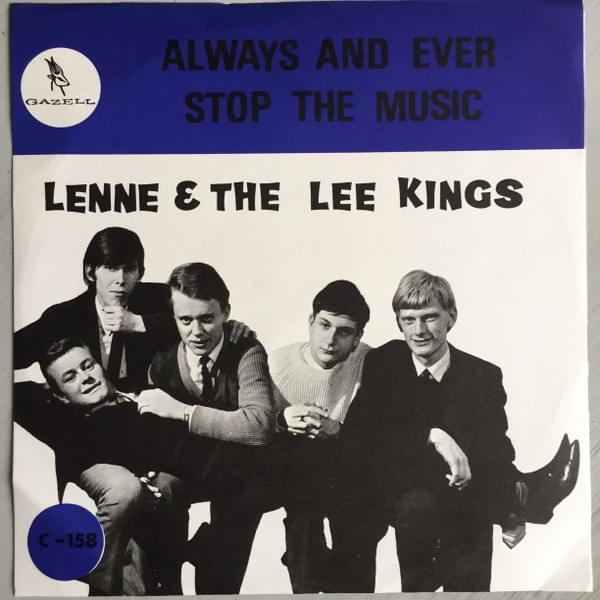
 View Artist