Song Meaning
The lyrics lay out a simple, almost childlike, understanding of emotional expression as a direct conduit to relief. The narrator frames crying, laughing, yelling, and sighing not as reactions to external events, but as the very *story* of specific feelings. This direct equation—sadness *is* crying, happiness *is* laughing—suggests a pure, unadulterated connection between internal state and outward release. It’s a narrative built on the immediate, tangible benefit: "it makes me feel better."
The core tension, if you can call it that, lies in the unwavering certainty of this catharsis. There's no doubt, no hesitation, just a straightforward declaration that expressing an emotion, any emotion, leads to an improved state. The repetition of "it makes me feel better" acts like a mantra, reinforcing this fundamental belief. The structure itself mirrors this simplicity, with each verse following the same pattern, creating a sense of predictable comfort.
The most striking element is the sheer lack of complexity. The lyrics don't explore *why* one feels sad or happy, or the nuances of anger. Instead, they focus solely on the act of expression and its immediate, positive consequence. This deliberate stripping away of context elevates the physical act of crying, laughing, yelling, or sighing into a powerful, self-sufficient tool for emotional regulation. It’s a testament to the power of simply letting it out.
This directness is precisely what makes the lyrics resonate. In a world that often complicates feelings, the song offers a refreshing, almost radical, simplicity. It validates the need to express oneself, whatever the emotion, and assures the listener that the act itself holds the key to feeling better. The final lines, listing the different expressions, underscore this unified principle: the story of feelings is the story of release.
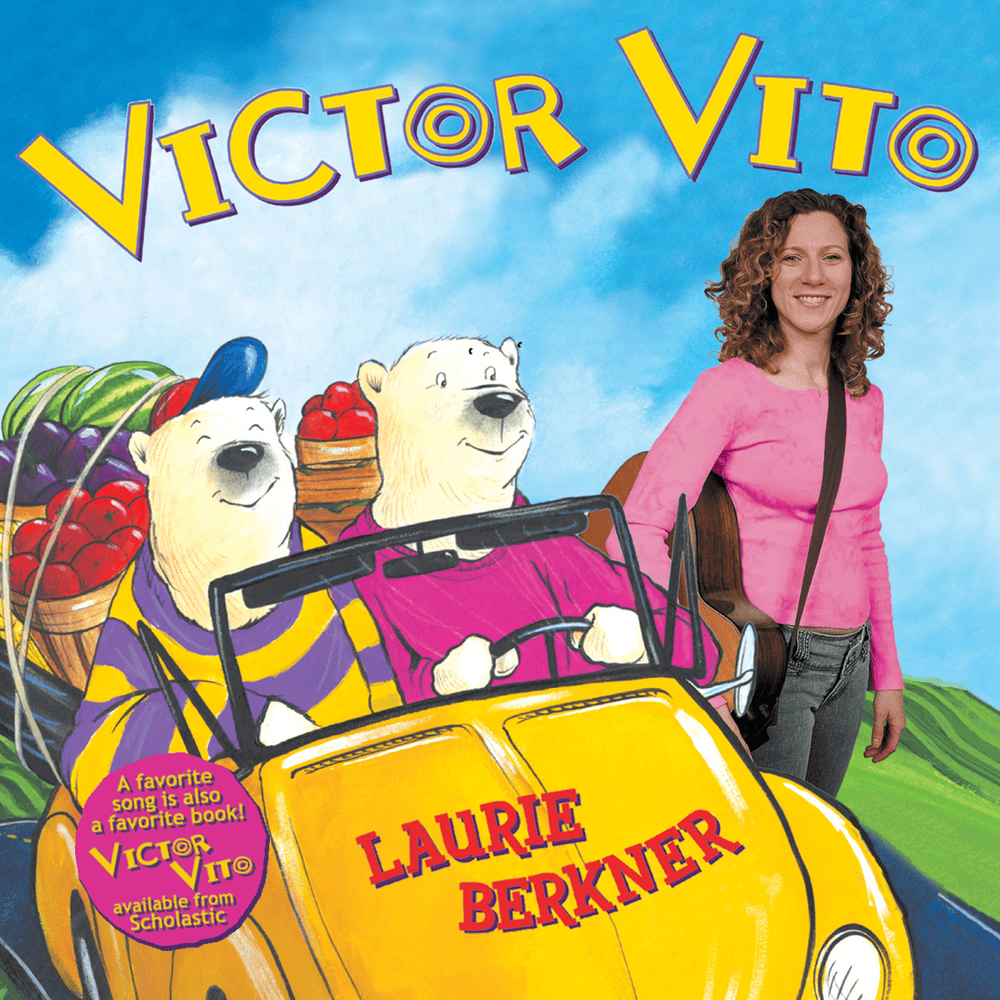
 View Artist