Song Meaning
The narrator is grappling with a lingering presence, a "ghost," of someone who is physically gone but emotionally "so close." This spectral visitation happens "at night," suggesting a time of vulnerability or heightened perception. The initial lines about words and jewelry hint at a transactional or superficial relationship, where value is placed on material possessions and carefully chosen words, yet the narrator sees through it, suggesting a desire for genuine connection or perhaps a cynical understanding of human interaction. The contrast between the perceived value of words and jewelry and the narrator's ability to see past it sets a tone of suspicion and emotional distance.
The core tension lies in the narrator's struggle to reconcile the physical absence of this person with their persistent, almost tangible presence. This "ghost" isn't just a memory; it's an active, felt experience that intrudes upon the narrator's present. The lyrics suggest a complex emotional landscape where the narrator is simultaneously trying to maintain control ("I find it very funny but I likely turn to anger very quick") while being haunted by this unresolved connection. The repeated assertion "I see your ghost" becomes a mantra, a way of acknowledging and perhaps trying to process this overwhelming feeling.
The most striking craft element is the juxtaposition of the ethereal "ghost" with the tangible, almost mundane details of "jewelry made of stone" and a "particularly fancy" chain. This grounds the supernatural in the everyday, making the haunting feel more immediate and personal. The shift from observing the other person's adornments to describing their own chain suggests a moment of self-awareness or a comparison of perceived value. The outro's rapid-fire list of actions – "feeling, healing, kneeling, walking, gone" – creates a sense of frantic movement and resolution, as if the narrator is finally breaking free from the spectral hold.
Ultimately, these lyrics resonate because they capture the disorienting experience of being haunted by someone who is no longer physically present. The writing effectively uses concrete imagery to illustrate an abstract emotional state, making the feeling of closeness-in-absence palpable. The narrator's journey from observation and suspicion to a final, albeit rapid, declaration of "gone" offers a cathartic, if abrupt, sense of closure, highlighting the power of internal processing even when external circumstances remain unresolved.
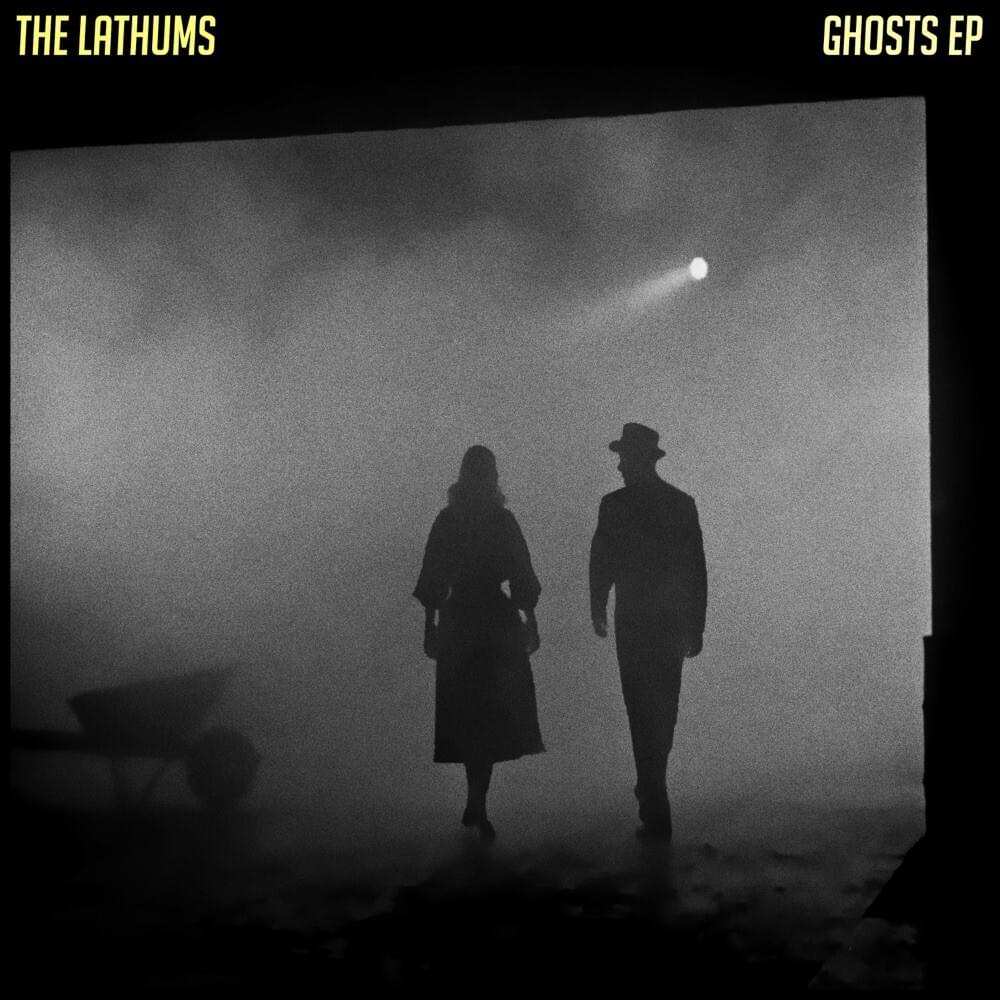
 View Artist