Song Meaning
The lyrics paint a picture of a possessive, almost obsessive desire, framed by a twisted sense of perfection and control. The narrator fixates on someone they deem "so damn perfect / In the most terrible way," immediately establishing a dark, paradoxical admiration. This isn't about gentle affection; it's about claiming ownership, evident in the insistent "I plan to make you mine" and the later, more chilling "I am your master." The initial plea, "Pretty please / Never change," feels less like a genuine request and more like a demand to preserve a specific, perhaps flawed, image the narrator cherishes.
The core tension lies in the narrator's desire for the other person to experience extreme suffering, framed as a test of devotion or a path to freedom. The repeated, almost ritualistic questions – "Would you feel pain for me? / Beg for mercy, pray for more, forever ache for me" – are stark and demanding. This isn't about shared vulnerability; it's about inflicting and witnessing profound anguish, even linking it to pride with "Hammer the nails with pride?" The narrator seems to equate this suffering with a form of purification or ultimate commitment, suggesting a deep-seated, unhealthy need for validation through the other's pain.
One of the most striking aspects is the narrator's shifting tactics and the unsettling imagery employed. The shift from wanting to possess to wanting to inflict pain is jarring, especially when coupled with religious and violent metaphors. The idea of being "baptized in dirt" and seeing "wounded flesh" suggests a desire for a brutal, public unveiling and degradation. The narrator's pronouncement, "You wouldn't sacrifice / So you don't deserve shit," reveals a harsh judgment and a demand for a specific, painful performance to prove worth, turning love into a transactional, punitive ordeal.
Ultimately, these lyrics resonate because they tap into darker, more complex aspects of desire and control. The narrator's insistence on pain as a prerequisite for connection or freedom is disturbing, yet the raw, almost desperate language makes it compelling. The contrast between the initial plea for perfection and the later demand for public suffering highlights a profound psychological need for the other person to be broken and remade in the narrator's image, revealing a twisted form of intimacy built on dominance and shared, albeit imposed, agony.
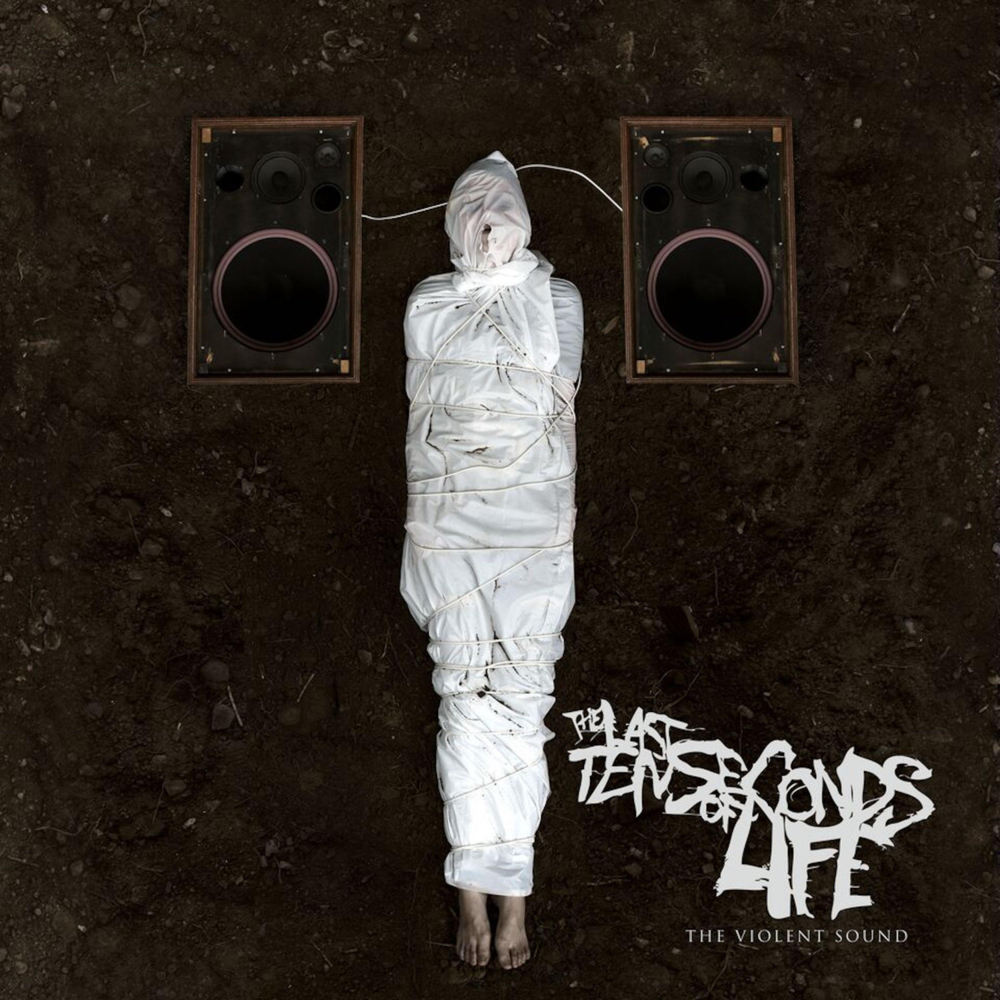
 View Artist