Song Meaning
The lyrics paint a picture of a figure who sees themselves as a foundational force, a tireless worker whose labor enables others to move forward. The repeated declaration, "I am the toiler the old ship-slave," immediately establishes a tone of arduous, perhaps even involuntary, service. This identity is directly linked to providing the "fire that keeps you brave" and the "breath" that fills sails, suggesting a sacrifice of personal energy for the benefit and progress of others. The phrase "for all mankind" elevates this personal toil into a grand, altruistic gesture, framing the narrator's existence as a necessary, albeit unacknowledged, contribution to collective advancement and freedom.
The central tension lies in the narrator's dual identity: they are both the "slave" and the "captain," the one "stoking the fire" and the one commanding the "love brigade." This paradox suggests a complex relationship with their own labor and the freedom it facilitates for others. While they claim to "give" and "gave" their efforts "for all mankind," the repeated self-identification as a "slave" and "wayfarer" hints at a weariness or a lack of personal agency in their own grand contribution. The act of "sailing away on an ocean wave" becomes a recurring motif, representing escape, progress, or perhaps the ultimate destination that the narrator's efforts enable, even if they themselves remain bound to their task.
The most striking aspect of the craft is the relentless, almost incantatory repetition. The core structure – "I am the X, the Y-slave / I [action] that [enables you] / And this I give/gave for all mankind / Sail away on an ocean wave" – hammers home the narrator's perceived role. This repetition creates a sense of inescapable duty and a cyclical existence. The subtle shift from "I stoke that fire" to "Fill your sail with the breath I gave" and finally to "With every breath I am your slave" shows a progression from enabling action to a more direct, personal servitude, culminating in the "love brigade" which implies a romantic or deeply emotional, yet still enslaved, commitment. The final lines, trailing off with "...sail away on the airwaves..." introduce a modern, perhaps digital, dimension to this enduring theme of enabling others' journeys.
These lyrics resonate because they tap into a deep-seated understanding of unseen labor that underpins societal progress and personal freedom. The narrator's voice, though bound by the "slave" identity, carries a quiet dignity in its unwavering commitment to enabling others to "sail away." The power comes from the stark contrast between the immense, selfless act of providing the means for others to escape and the narrator's own static, enslaved position. It’s a poignant portrayal of the sacrifices made, often silently, to allow others the liberty to explore new horizons.
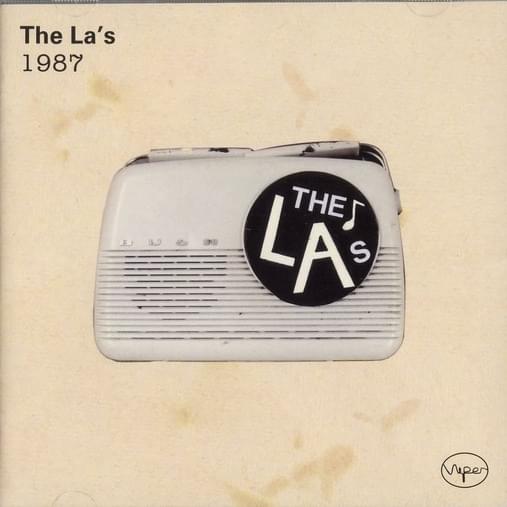
 View Artist