Song Meaning
The narrator wakes to a stark reality, personified by a "chimney singing crow," which delivers the bleak message of having "no-place to go." This immediate sense of displacement sets a tone of resignation. The act of closing a suitcase and "tumblin down the lane" suggests a forced departure, a loss of control over one's own path. The self-identification as "Jack-n-the-Box" is a crucial image, hinting at a cyclical, perhaps involuntary, emergence into difficult situations.
The core tension lies in the narrator's repeated attempts to find solace or direction, only to be met with setbacks. The pursuit of a "Word o' life savin' drug" and a "long faith called love" are presented as earnest efforts toward salvation or stability. However, these endeavors are described as leading to the "bottom" and yielding only "good pain," implying that even positive pursuits have resulted in suffering, reinforcing the feeling of being knocked down.
The recurring phrase "A 'bobbin knock-me-down a-gain" is the lyrical engine driving the song's emotional weight. It’s not just about being knocked down once, but the persistent, almost mechanical nature of these falls. The Jack-in-the-Box metaphor perfectly captures this; the spring-loaded toy pops out unexpectedly, often startlingly, mirroring how these life challenges seem to ambush the narrator. This repetition emphasizes a lack of agency, a feeling of being trapped in a loop of disappointment.
This lyrical construction is effective because it grounds abstract feelings of despair in concrete, albeit surreal, imagery. The crow, the tumbling lane, and the Jack-in-the-Box all contribute to a vivid, almost cartoonish, depiction of hardship. The contrast between the hopeful search for a "life savin' drug" and the resulting "good pain" underscores the bitter irony of the narrator's experience, making the persistent cycle of being "knock-me-down again" feel both personal and strangely inevitable.
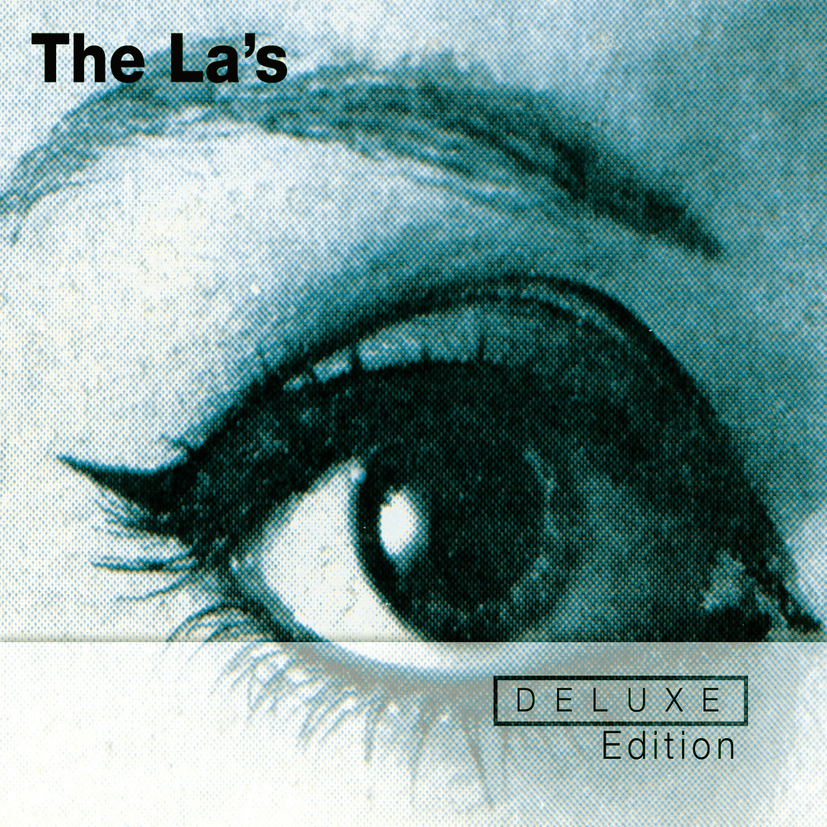
 View Artist