Song Meaning
The lyrics paint a vivid picture of a place called "Doledrum," presented as a state of stagnant, unfulfilling existence. The repeated warning, "Oh no don't go down to Doledrum," immediately establishes a sense of dread and caution. It's a place where life "goes by" without incident, with the narrator anticipating a long, uneventful existence, "see 95 in Doledrum." This isn't a place of vibrant living, but rather a slow, monotonous fade.
The central tension arises from the narrator's internal conflict: the awareness of Doledrum's bleakness versus the inertia that keeps them there. While the narrator acknowledges the need to escape, stating "I think I'll run away to see," the immediate action is a performative, almost desperate "get up a fuss and shout." This suggests a desire for change that struggles to translate into actual departure, highlighting the difficulty of breaking free from a deeply ingrained rut. The repeated advice, "If you know what's good for you / Then you know what you can do," acts as both a warning to others and a self-admonishment, underscoring the obvious but difficult path to escape.
The most striking aspect of the craft is the sheer repetition of "Doledrum" itself, functioning as a sonic and thematic anchor for the feeling of being trapped. The juxtaposition of "get on the bus" and "get on the boat" offers slightly different, yet equally urgent, images of escape, emphasizing the desperate need to physically remove oneself from this state. The phrase "get up a fuss and shout" is particularly interesting; it's a call to action, but one that seems more about expressing internal frustration than enacting a concrete plan, a noisy protest against the quiet despair of Doledrum.
Ultimately, these lyrics resonate because they capture the universal feeling of being stuck in a monotonous routine, a "doldrums" of life that feels inescapable. The simple, direct language and the insistent repetition create a palpable sense of ennui and the desperate, often futile, urge to break free. The effectiveness lies in its stark portrayal of a life lived on autopilot, a warning against settling into a state of passive existence.
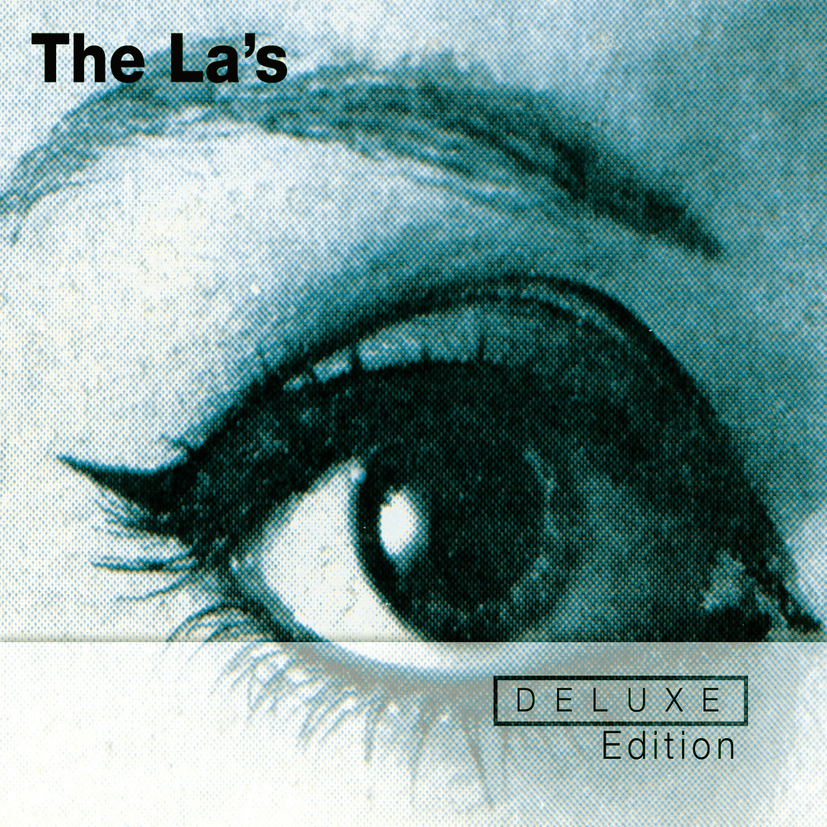
 View Artist