Song Meaning
The lyrics paint a stark picture of confinement and introspection, with the narrator observing the world through "wooden bars." This physical or metaphorical barrier frames a scene of scattered, almost desperate details: "pockets, feathers, and dimes." The act of "paint[ing] a question on the wall" and words "dripping to the floor" suggests a struggle to communicate or understand, a sense of thoughts and feelings dissolving before they can be grasped. The repeated imagery of birds and feathers, juxtaposed with the harshness of "sharpen your horns," hints at a tension between freedom and a defensive, perhaps aggressive, posture.
The central tension seems to revolve around a past transgression and the difficulty of moving beyond it. The narrator poses a direct question: "How will you forget your crime?" This implies a reckoning is due, and the act of "looking out through wooden bars" becomes a reflection on consequences. The phrase "your wounds heal into scars" signifies the passage of time and the indelible mark left by past actions, even as the immediate pain subsides. The narrator appears to be trapped in a cycle of questioning and unresolved guilt.
One of the most striking craft elements is the deliberate inversion of actions and their expected outcomes. We see "open the doors and lock your horns," a contradictory command that suggests a complex, perhaps paradoxical, state of being. Are they meant to embrace vulnerability by opening doors, only to then fortify themselves? The imagery of "streaming down the aisle" could imply a public spectacle or a desperate, uncontrolled movement, contrasting with the static nature of being "behind wooden bars." This deliberate ambiguity forces the listener to confront the unsettling nature of the narrator's predicament.
Ultimately, the effectiveness of these lyrics lies in their evocative, fragmented imagery and the palpable sense of unease they create. The "wooden bars" serve as a constant reminder of limitation, while the scattered details and unanswered questions amplify a feeling of internal struggle. The writing doesn't offer easy answers, instead immersing the reader in a disorienting space where past actions loom large and the path forward is obscured by a persistent, questioning haze.
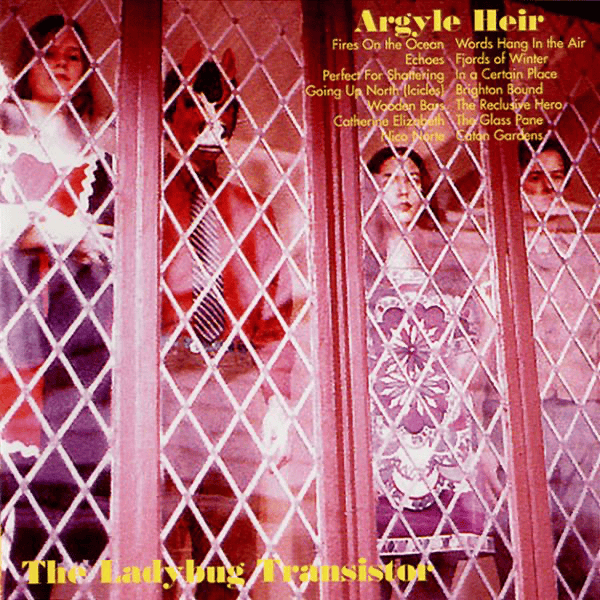
 View Artist