Song Meaning
The lyrics open with a stark, repetitive invocation: "Dies irae, dies umbra." This Latin phrase, meaning "day of wrath, day of shadow," immediately sets a somber and foreboding tone. The relentless repetition hammers home a sense of inescapable doom or judgment, creating an atmosphere of dread that permeates the entire piece. It’s a primal, almost chant-like opening that feels ancient and heavy.
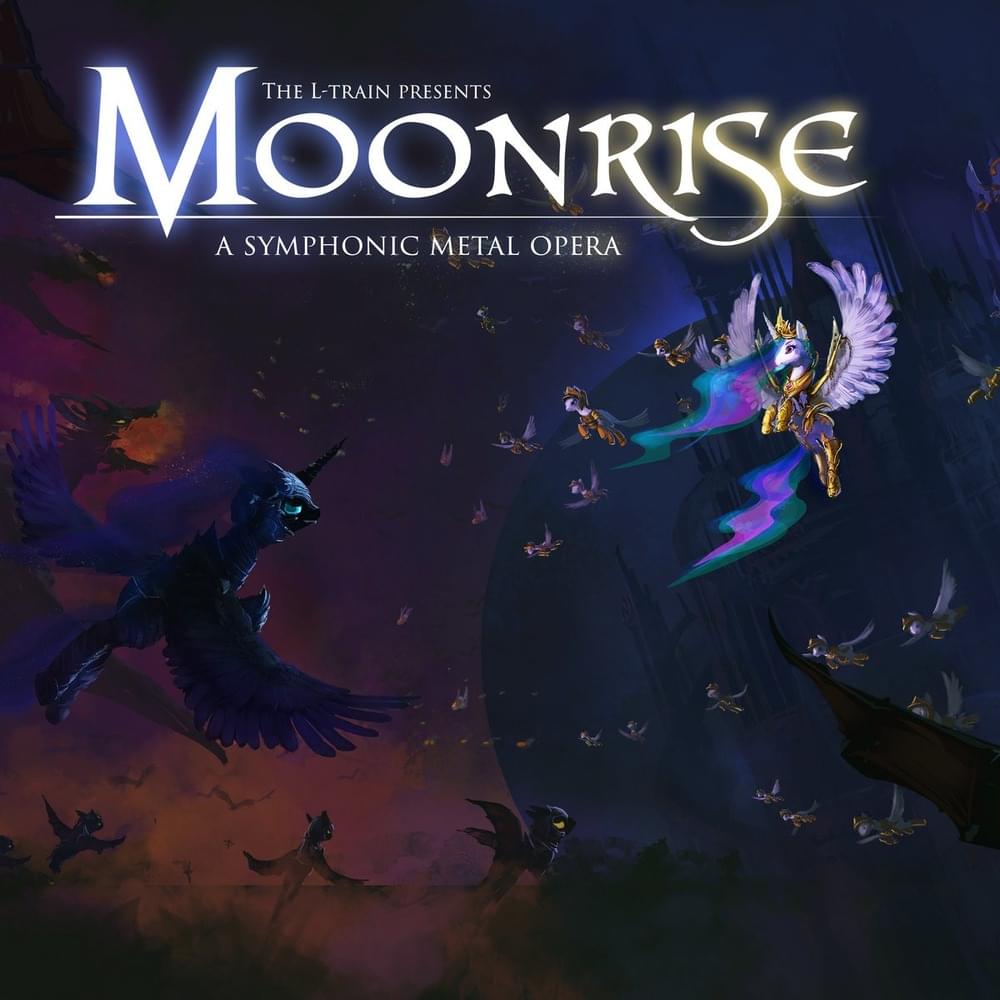
Following this dark pronouncement, the lyrics shift to a contrasting declaration: "Gloria, gloria, in excelsis Celestia." This is a clear echo of the "Gloria in Excelsis Deo" from the Christian Mass, here adapted to "in excelsis Celestia" – suggesting glory in the highest heavens. This juxtaposition creates a powerful tension between the impending wrath and a plea for or declaration of divine glory. It’s as if the shadow of judgment is being met with an assertion of celestial light.
The effectiveness of these lyrics lies in their extreme brevity and potent contrast. The repetition of the "dies umbra" phrase builds an almost unbearable weight, making the subsequent "Gloria" feel like a desperate cry or a defiant counterpoint. The use of Latin adds a layer of gravitas and historical weight, lending the short phrases an outsized impact. It’s a masterclass in setting a scene and emotional conflict with minimal, yet highly charged, language.
 View Artist