Song Meaning
The lyrics paint a picture of a late-night encounter, or at least the anticipation of one, with a palpable sense of unease and predatory undertones. The opening lines immediately establish a menacing atmosphere, personifying the "night porter" as a figure devoid of empathy and harboring "rude thoughts." This sets a tone where vulnerability is amplified by the darkness, suggesting a power imbalance and potential danger for anyone "out after dark."
The narrator's subsequent propositions, however, feel jarringly out of sync with this initial threat. He frames his intentions as protective and caring, offering to "turn on your light" and assuring the listener he's a "big boy" who can "stay up all night." The contrast between the perceived threat and the narrator's self-proclaimed gentleness creates a disquieting tension, hinting that his "innocence" might be a performance or a misreading of the situation.
The central plea revolves around gaining access to a "hall of residence" and specifically the "Art School Annexe." The repeated request to "let me in" and the promise that "there'll be no panic" if the word is given suggests a desperate attempt to overcome a barrier, physical or emotional. The narrator’s insistence on proving his "innocence" after offering to take someone "out for a meal" and then being brought home without a fuss feels like a transparent effort to disarm suspicion, but it only amplifies the underlying creepiness.
What makes these lyrics stick is the unsettling juxtaposition of perceived danger and the narrator's insistent, almost childlike, attempts at reassurance. The lyrics create a scenario where the listener is left to question the true nature of the "night porter" and the narrator's own motives, leaving a lingering sense of unease about who is really in control and what "innocence" truly means in this context.
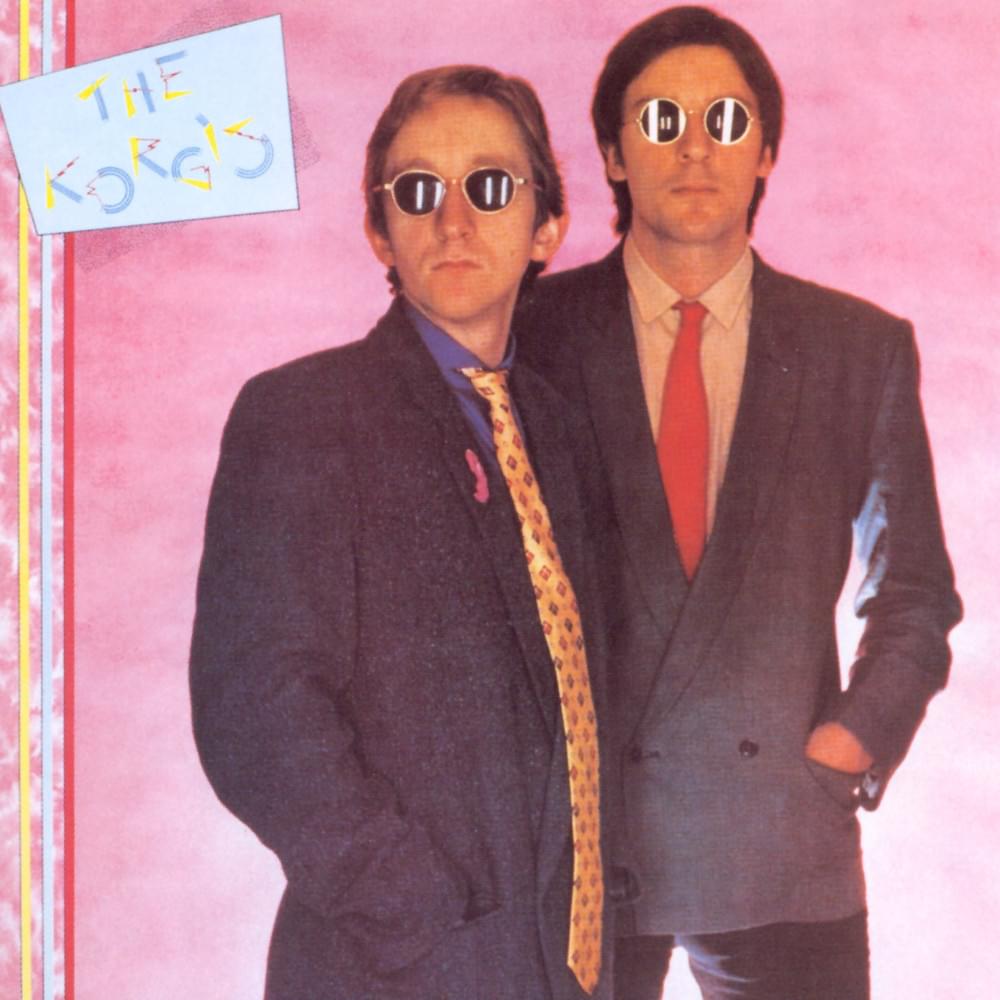
 View Artist