Song Meaning
The lyrics paint a stark picture of enduring sorrow, framed by the cyclical promise of summer that never quite arrives for the narrator. The opening lines establish a prolonged period of suffering, a "winter" of tears and a desperate hope for "some good." This hope is immediately tethered to the arrival of summer, a season typically associated with warmth and renewal, but here it functions as a distant, almost mythical, cure for present woes. The narrator's plea to "Dear Lord" suggests a deep-seated belief that their suffering is a punishment, a question of "what I did wrong?" that hangs heavy over their existence.
The central tension lies in the narrator's passive waiting versus their profound despair. They are stuck in a loop of anticipation, believing that summer holds the key to alleviating their grief and perhaps finding solace, asking if it can "take the place of grief." Yet, this hope is consistently undercut by a growing certainty of their own perpetual misfortune. The repeated questioning of their past actions, "what I did wrong?" and "what could I've done wrong?" reveals an internal struggle, a desperate search for an explanation for their unending pain.
The most striking aspect of the craft is the subversion of the summer motif. Instead of a symbol of relief, summer becomes a cruel mirage, a time that the narrator ultimately concludes "I know my summer'll never come." This realization marks a devastating shift from hopeful waiting to resigned despair. The final verse transforms the winter from a temporary state of suffering into a permanent condition, where the only remaining solace is "nothing left but song." The repeated "Oh, oh, what's happened?" in the outro amplifies this sense of bewildered, unresolved anguish.
This lyrical construction is effective because it mirrors the feeling of being trapped in a cycle of disappointment. The contrast between the expected joy of summer and the narrator's lived reality creates a powerful emotional dissonance. The simple, direct language and the recurring questions make the narrator's pain feel immediate and raw, culminating in a profound sense of loss that is both personal and, through its stark portrayal, deeply affecting.
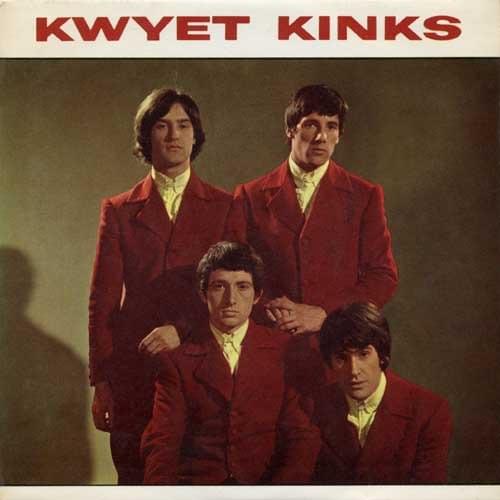
 View Artist