Song Meaning
The scene opens with a stark image of falling brown leaves, immediately setting a tone of decay and endings. This autumnal backdrop frames the narrator's first encounter with someone in "Berkeley Mews." The setting feels cold and unwelcoming, described as a "chilly dining room," and the narrator's presence feels awkward, almost like an intrusion. The repetition of "In Berkeley Mews, I first met you" anchors the memory to this specific, seemingly unpromising location.
The core tension arises from the narrator's immediate discomfort and desire to escape, contrasted with the other person's actions. The "cluttered up" kitchen sink suggests a lack of order or perhaps a hidden mess, mirroring the narrator's own unease. Brewing another "cuppa" and attempting to "sneak out early" highlights a desperate attempt to disengage from a situation that feels overwhelming or disappointing from the outset. The narrator's internal thought, "I thought you had much better things to do," reveals a self-consciousness and a perception that they are not a welcome guest.
The lyrics subtly shift from awkwardness to a more profound sense of disillusionment. The narrator initially perceived the other person as an "intellect," but reflection reveals a more destabilizing force. The champagne, meant perhaps for celebration, instead "drowned my conversation," effectively silencing the narrator and altering the atmosphere of Berkeley Mews. The act of being made to "drink a toast" and then being left "looking at the ceiling" suggests a passive, almost stunned experience, where the narrator felt controlled and ultimately abandoned.
This initial encounter, marked by discomfort and a desire to flee, becomes the defining memory, resurfacing with the "floods of tears" that echo the initial night. The repeated mention of "Berkeley Mews" transforms the location from a simple meeting place into a potent symbol of a relationship's flawed beginning and its painful aftermath. The final, stark declaration, "You know that you left me broken-hearted," solidifies the Mews as the site where this emotional devastation was sown.
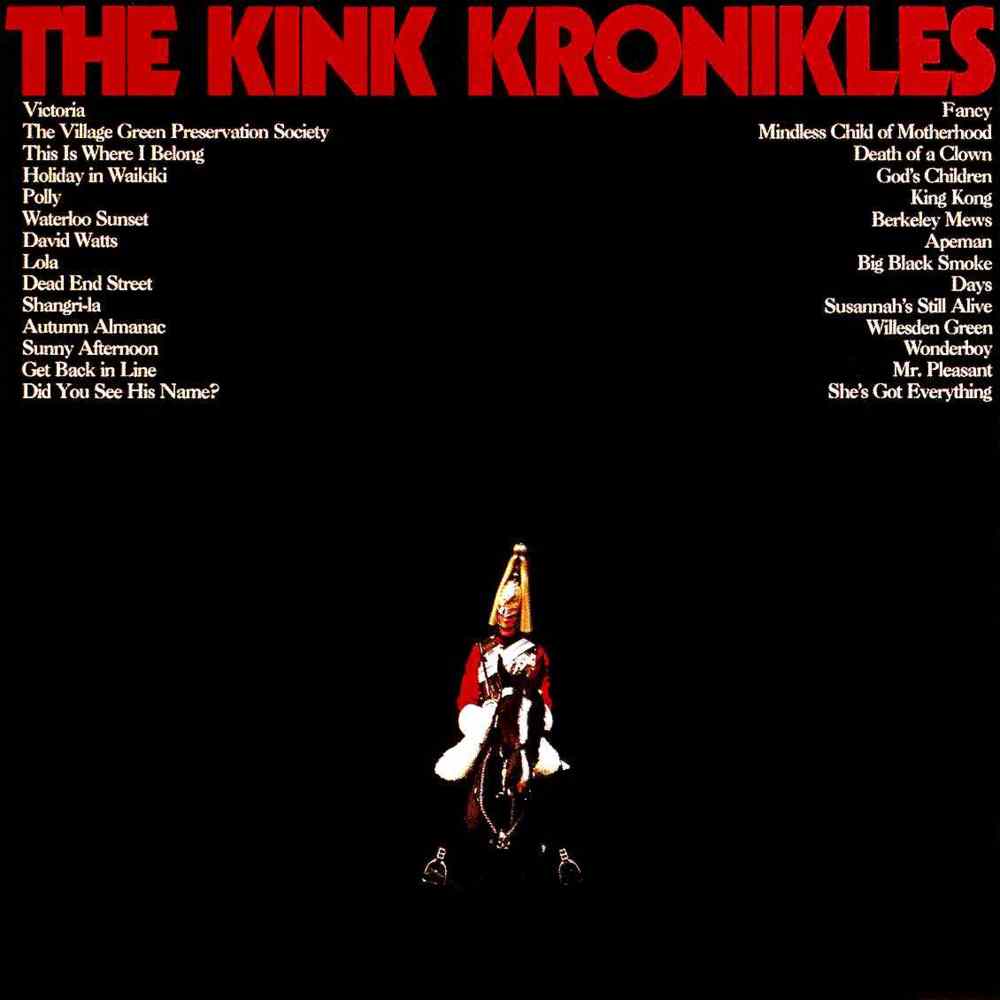
 View Artist