Song Meaning
The lyrics paint a stark, almost spectral scene in Laredo, immediately establishing a somber tone with the image of a 'cowboy dressed in white linen.' This isn't just any outfit; it's a chilling descriptor for a corpse, 'cold as the clay.' The narrator's initial observation sets up a powerful contrast between the living and the dead, framed by the dusty streets of a frontier town.
The core tension arises from the narrator's direct address to the deceased cowboy, a conversation that can only happen in the mind or memory. The narrator identifies with the deceased, stating, 'I can see by your outfit that you are a cowboy.' This shared identity, however, is immediately undercut by the grim reality of the cowboy's state, suggesting a shared fate or a profound, unspoken understanding of the dangers inherent in their chosen life. The repeated phrase 'you are a cowboy' becomes a mournful echo, a recognition of a life cut short.
The most striking element is the abrupt shift in the final lines. The narrator, after acknowledging the dead cowboy's identity, pivots to a bizarre, almost defiant exhortation: 'Get yourself an outfit and be a cowboy, too!' This isn't a literal command to the dead, but rather a desperate, perhaps ironic, embrace of the cowboy identity. It suggests that even in the face of death, the spirit or the allure of the cowboy life persists, or perhaps it's a coping mechanism for the narrator's own mortality.
This lyrical choice is effective because it transforms a potential lament into something more complex and unsettling. The unexpected, almost nonsensical command to the deceased creates a disquieting final impression. It highlights the enduring, perhaps fatal, romanticism of the cowboy mythos, even when confronted with its ultimate consequence, leaving the listener with a sense of profound unease and a lingering question about the narrator's own state of mind.
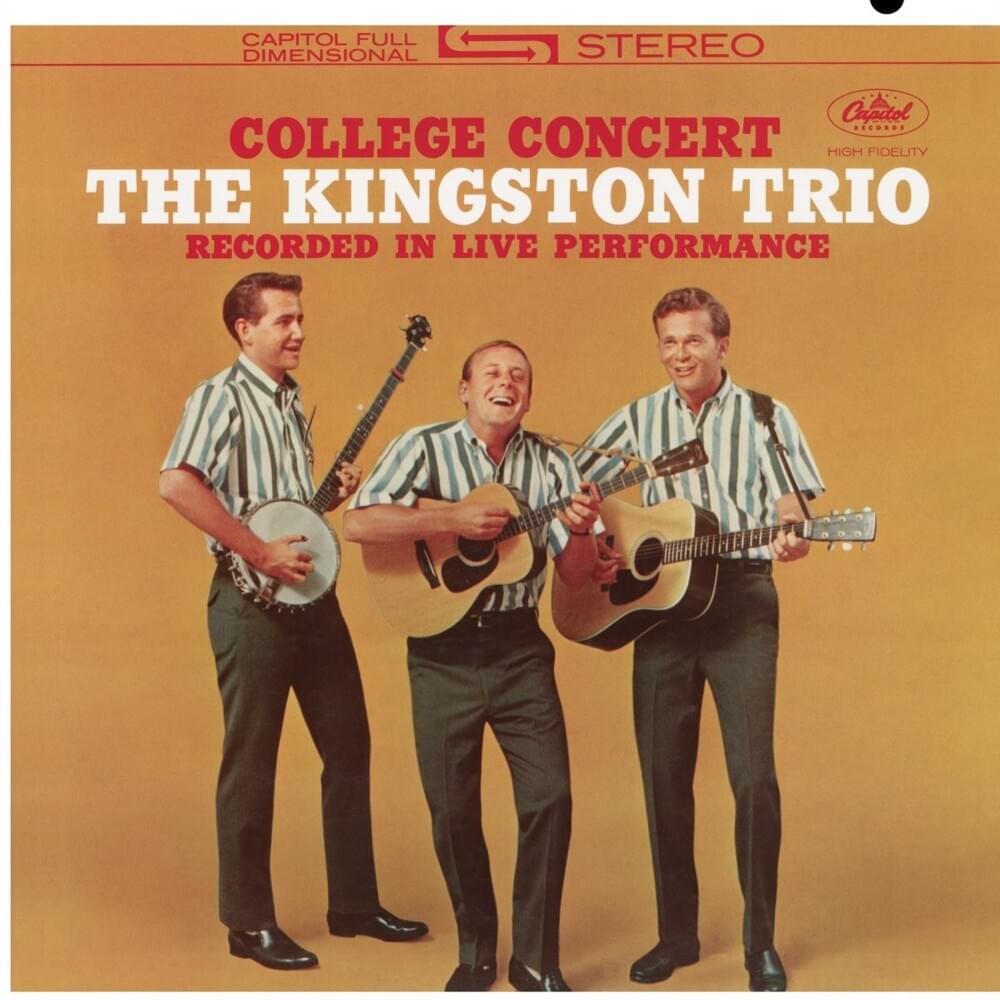
 View Artist