Song Meaning
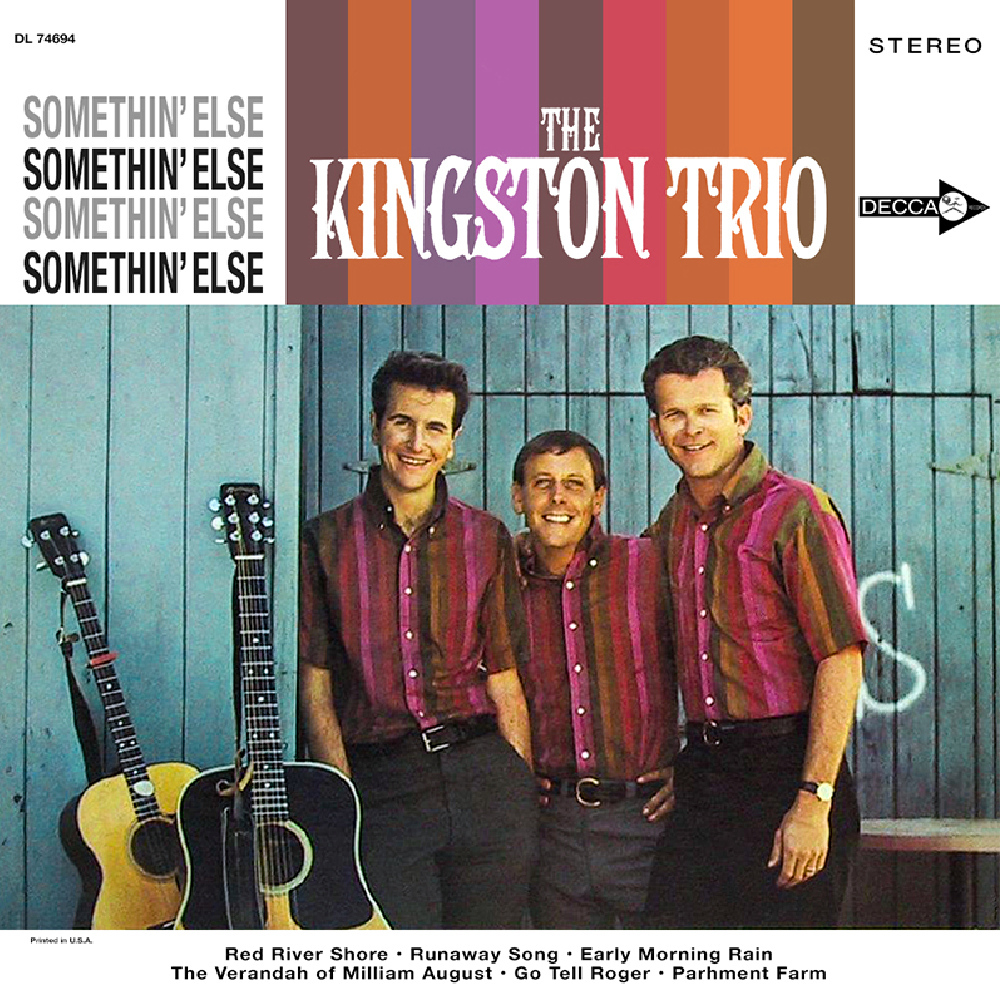
Go Tell Roger" paints a fragmented, vivid picture of childhood, full of sticky Kool-Aid and cheap wax lips. The lyrics jump between innocent pleasures and casual, sometimes cruel, mischief. There's a palpable sense of youthful freedom and unruliness. Yet, a recurring, mysterious refrain adds a layer of quiet unease.
The core tension lies in this blend of innocent exploration and burgeoning, almost thoughtless, cruelty. We see the simple joy of "riding with no hands" immediately followed by the suggestion to "give him an Indian burn." This isn't malice, but rather the unrefined social dynamics of youth, where affection can be expressed through a kick to the knee. These moments capture the messy, contradictory nature of growing up, where boundaries are tested and emotions are raw.
The lyrics' power comes from their vivid, almost cinematic snapshots, strung together like disparate memories. The repetition of specific details, like the brother stirring Kool-Aid, grounds the narrative in tangible, nostalgic moments. But it's the recurring line, "And we can go tell Roger there's another face looking in the window," that truly elevates the piece. This refrain acts as a sudden, unsettling shift, pulling the listener from the immediate, active world of childhood pranks into a more passive, observed reality.
This contrast between the internal world of childhood antics and the external, watchful presence makes the lyrics deeply effective. The mysterious observer at the window, emphasized by the repeated outro, remains an enigma – perhaps a parent, a neighbor, or even a nascent awareness of being observed or judged. It subtly suggests that even the most carefree moments are not entirely unmonitored, adding a layer of subtle tension to the otherwise boisterous scenes. The lyrics don't just describe childhood; they evoke its complex, often contradictory, emotional landscape.
 View Artist