Song Meaning
The lyrics paint a picture of a young man overwhelmed by the attention of multiple girls. He repeatedly states, "I'm just a poor young boy," a phrase that grounds his experience in a sense of youthful vulnerability and perhaps a touch of being out of his depth. This declaration is immediately followed by the assertion that "these girls 'bout to drive me wild," establishing a core tension between his perceived innocence and the intense effect the girls have on him. The repetition of these lines emphasizes the relentless nature of this attention and his struggle to manage it. He's not necessarily complaining, but the sheer volume of it is clearly a lot to handle.
The central emotional conflict arises from this duality: the joy and excitement of being desired versus the feeling of being overwhelmed. The girls' actions – their laughter and singing – are directly linked to his physical and emotional reaction. The phrase "call me angel child" suggests a certain idealization or perhaps a playful, almost angelic perception of him, which contrasts with the "drive me wild" sentiment. This creates a push-and-pull dynamic, where he's simultaneously flattered and flustered by the attention.
The most striking element is the onomatopoeic "ting-a-ling." This sound, repeated obsessively, serves as a direct representation of his heart's reaction to the girls' presence. It's a simple, almost childlike sound, evoking a sudden, excited jolt, like a bell ringing. The sheer number of "ting-a-ling" repetitions, especially in the chorus, amplifies this feeling, making it feel almost involuntary and constant. It’s the sonic equivalent of his heart skipping a beat, over and over, driven by the girls' "laugh" and "sing."
Ultimately, the lyrics' effectiveness lies in their directness and the visceral, almost physical, portrayal of youthful infatuation. The simple language and the insistent repetition of key phrases and the "ting-a-ling" sound create an immediate, relatable feeling of being swept up in excitement. The narrator’s desire for a "nice young girl who will be so good to me" at the end suggests a longing for a simpler, more focused connection amidst the chaos of widespread attention, highlighting the underlying desire for genuine affection over fleeting adoration.
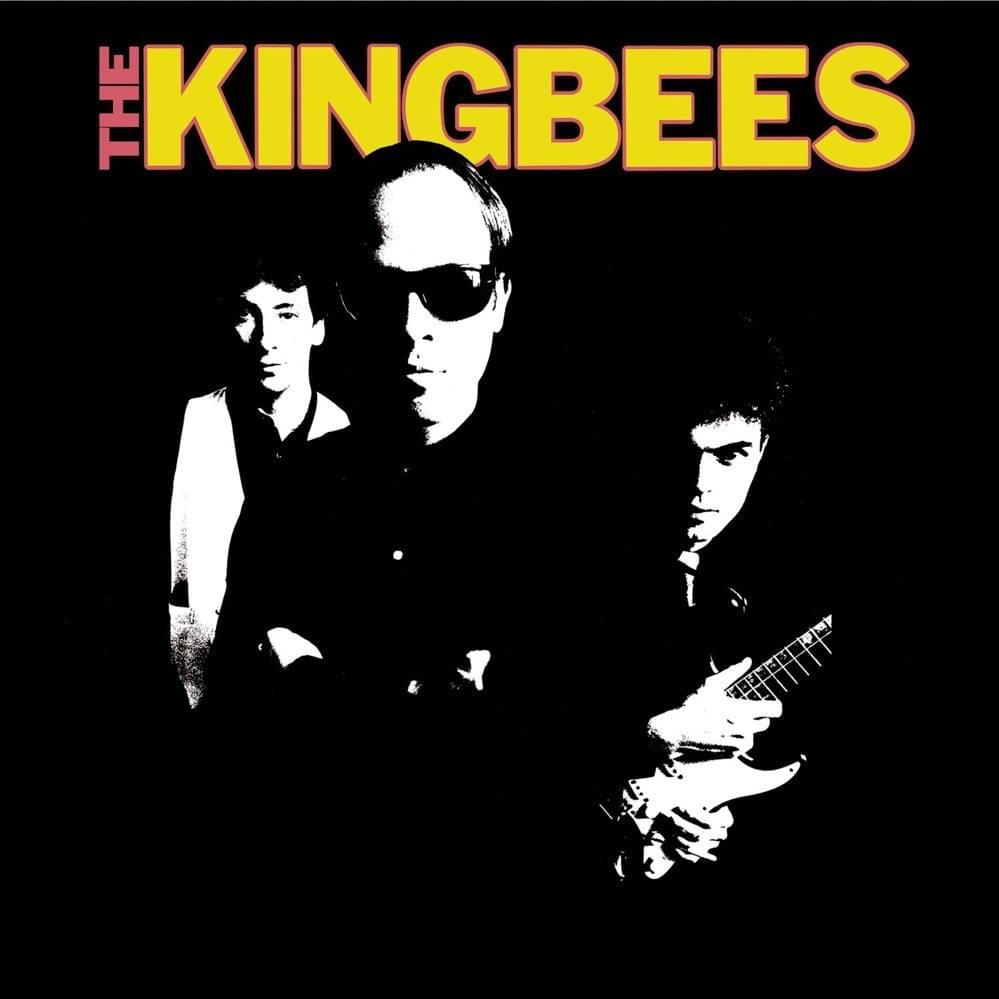
 View Artist