Song Meaning
The lyrics paint a picture of a relationship steeped in a strange, almost masochistic satisfaction, despite accusations of evil. The narrator questions the source of their partner's contentment, repeatedly asking, "If I'm so evil / Then why are you satisfied?" This isn't a plea for validation, but a bewildered observation of a dynamic where perceived wickedness seems to fuel the other person's engagement. The imagery of a "ghost" and ashes being "down the drain" suggests a lingering presence and a destructive, yet perhaps cleansing, act within the relationship's decay.
The central tension revolves around control and agency, particularly in the recurring refrain: "This ain't no Rodeo Town / I caught the gun / But you made me set it down." The narrator seems to have moments of decisive action, symbolized by catching a gun, but is consistently disarmed or dissuaded by their partner. This suggests a pattern of suppressed rebellion or a forced de-escalation, where potential confrontation is defused, leaving the narrator feeling powerless despite their initial impulse to act. The partner's insistence that "This ain't no Rodeo Town" implies a rejection of a chaotic or dramatic setting, yet their actions seem to perpetuate a cycle of intense emotional conflict.
The most striking aspect is the narrator's passive acceptance of being watched: "I'm gonna keep an eye on you / Well I don't mind if you do / But you can't keep quiet." This paradox highlights a relationship where boundaries are blurred and surveillance is normalized, yet the observer's constant commentary is unbearable. The repeated assertion that it's "not a Rodeo Town" becomes ironic, as the emotional landscape feels anything but stable or calm. The lyrics suggest a relationship where one person's perceived "evil" is a source of fascination or even comfort for the other, while simultaneously being stifled in any outward expression.
Ultimately, the effectiveness of these lyrics lies in their unsettling portrayal of a codependent dynamic. The narrator's bewildered questioning and the partner's contradictory actions create a palpable sense of unease. The repeated, almost mantra-like chorus about the "gun" and the "Rodeo Town" hammers home the feeling of being trapped in a cycle of attempted action and enforced inaction, leaving the listener to ponder the strange satisfaction derived from such a volatile, yet contained, connection.
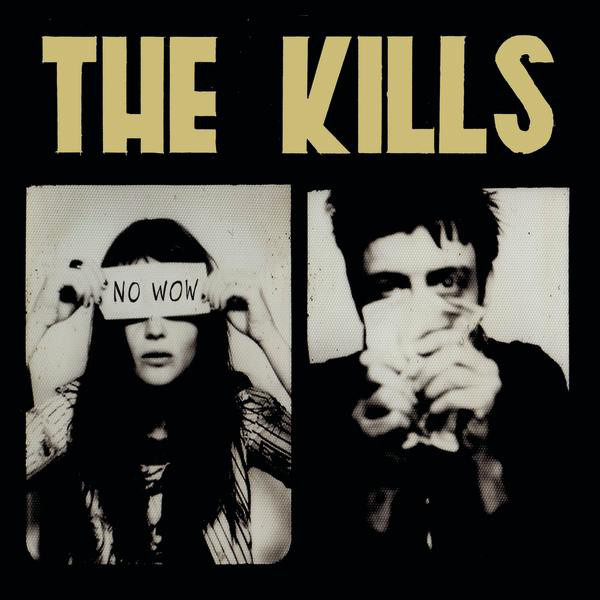
 View Artist