Song Meaning
A collective "we" asserts its right to move freely, claiming a deep-rooted legitimacy. They state, "we're justified and we're ancient," establishing a powerful, almost timeless identity. There's an immediate tension between a desire for understanding and an underlying, unshakeable resolve.
The core tension lies in the group's contradictory statements. They declare, "We don't want to upset the apple-cart" and "don't want to cause any harm," presenting themselves as non-confrontational. Yet, this is immediately undercut by a stark warning: "if you don't like what we're gonna do... You'd better not stop us." This pivot reveals their peaceful overtures are conditional, not absolute.
The craft here hinges on this dramatic shift. The casual idiom "upset the apple-cart" initially suggests a minor disruption, but the subsequent threat ("you'd better not stop us") escalates the stakes significantly. The repetition of "we're justified and we're ancient" acts like a mantra, reinforcing their self-perceived right to act. The interjections like "(You!)" and the parenthetical mention of a larger geographic scope add a layer of urgency and breadth, hinting at a wider, perhaps unstoppable, movement.
These lyrics are effective because they paint a picture of a group that is simultaneously reasonable and unyielding. The initial plea for understanding ("I hope you understand") becomes less about seeking permission and more about issuing a final notice. The power comes from the implied consequence of defiance, making the "we" feel like a force of nature, ancient and justified, whose path is already set. The listener is left with the unsettling sense that resistance is futile.
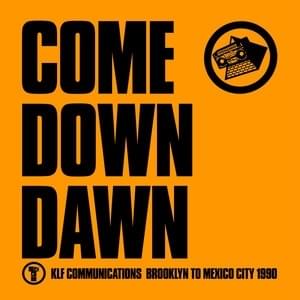
 View Artist