Song Meaning
The lyrics paint a stark picture of a relationship's inevitable, perhaps unwelcome, progression. The shift from autumn to winter, then winter to an even earlier winter, sets a tone of cold finality and unexpected acceleration. The narrator feels a sense of detachment, observing the changes as if they are external forces, stating, "It left outside with you." There's a resignation to the fact that "We'll never think of coming back," and a feeling of being just one in a long line of experiences for the other person: "I'm not the first or the last."
The central tension lies in the narrator's plea for acknowledgment of this unfolding situation. The repeated question, "Is this what you wanted to see?" or "Is this what you saw?" suggests a disconnect between the narrator's perception and the other person's desires or intentions. The narrator seems to be caught in a cycle, with the other person returning "'round my heart again," only to find it "on the floor," yet still "beating even harder." This implies a persistent, perhaps masochistic, emotional investment despite the evident damage.
The most striking craft element is the recurring, almost incantatory phrase, "'Cos baby, it's started." This refrain marks moments of realization and surrender, highlighting how the situation has moved beyond control. The contrast between the narrator's singular experience ("I've only been here once") and the other person's apparent history with this kind of emotional fallout ("I know you've done this many times") underscores the narrator's vulnerability and the other person's seasoned detachment. The imagery of falling "overboard" and being "washed away" but knowing they are "coming up" suggests a complex mix of despair and an instinct for self-preservation, even as the situation "got ahead of me."
Ultimately, the lyrics resonate because they capture the disorienting feeling of a relationship moving into a new, perhaps darker, phase without clear consent or understanding. The narrator's direct address and questioning, coupled with the relentless march of the "started" refrain, create a sense of urgent, unresolved drama. The writing effectively conveys the emotional whiplash of being deeply invested while simultaneously recognizing the potential for pain and the other person's experienced navigation of such terrain.
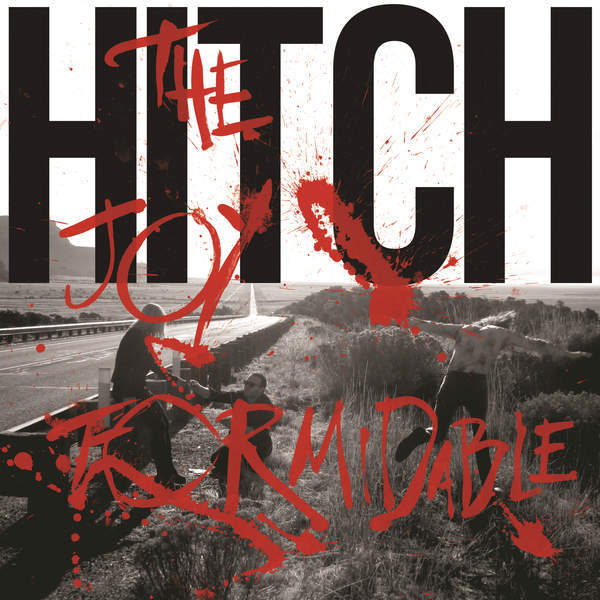
 View Artist