Song Meaning
The lyrics paint a stark picture of hardship, immediately establishing a tone of weary resignation. Phrases like "Heartache, no cure" and "Broken down" set a scene where suffering is a known, persistent entity. The narrator acknowledges this pervasive gloom, stating, "You see I've heard it all, all before," suggesting a deep familiarity with despair and a lack of novel solutions. The initial plea, "Leave your trouble behind and walk out the door," acts as a desperate, almost dismissive, command to escape.
The central tension arises from the stark contrast between the acknowledged misery and the prescribed remedy: dancing. The repeated assertion, "Ain't no sense crying out loud," directly confronts the natural inclination to express sorrow, pushing instead for an active, physical release. This isn't about finding a solution to the problems themselves, but about a forced distraction, a way to momentarily outrun the pain. The lyrics insist on this action, "You better dance," as the only viable response.
The most striking element is the relentless repetition of "You better dance" and "Dance your troubles away." This isn't a gentle suggestion; it's an urgent, almost aggressive, imperative. The sheer force of the repetition hammers home the idea that this is the *only* option presented. The shift from acknowledging "heartache" and "nothing to eat" to the insistent command to "dance all day" highlights a deliberate, if perhaps hollow, attempt to override profound suffering with sheer kinetic energy.
This approach is effective because it mirrors the feeling of being overwhelmed by circumstances. When faced with insurmountable problems, the lyrics suggest, the only recourse is a kind of performative oblivion. The insistent rhythm and the simple, direct command create a sense of catharsis, not through resolution, but through a forceful, almost defiant, engagement with the present moment, however bleak it may be.
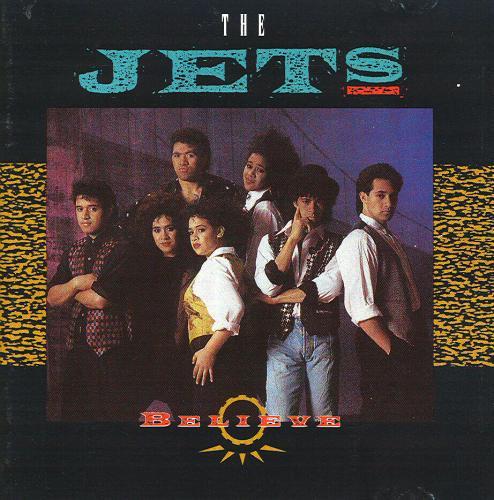
 View Artist