Song Meaning
The lyrics paint a picture of someone attempting to maintain a state of perpetual contentment, initially through simple pleasures like "stoned food and wine." This declared happiness, "I'm happy all the time," feels like a deliberate assertion, a shield against something less stable. The narrator seems to be actively constructing a persona, even contemplating dressing "like a ship" for a "trip," a surreal image that hints at escapism or a desire for a grand, perhaps detached, journey.
The core tension emerges with the sudden, jarring shift in the second verse. The playful assertion of happiness devolves into violent, almost nihilistic fantasies: "Kill everybody who's hip / Shoot 'em from the lip." This stark contrast suggests that the initial claim of being "fine" and "happy all the time" is a fragile facade, easily shattered by darker impulses or a profound sense of alienation. The repeated refrain "Mood rider / Hey, mood driver / Alone" underscores this internal struggle, portraying the narrator as a passive passenger or an isolated controller of their own volatile emotional state.
The most striking aspect is the rapid decay of sentiment in the third verse. What begins as a declaration of self-sufficiency ("I think I'm gonna be fine") quickly morphs into a sense of existential disintegration: "I think I'm turning to dust." This physical and emotional crumbling is mirrored in the cynical observation that "Love is turning to lust," reducing genuine connection to base desire. The phrase "Only as I must" implies a reluctant, performative existence, driven by obligation rather than authentic feeling, further isolating the narrator.
Ultimately, these lyrics resonate because they capture the unsettling experience of maintaining a cheerful exterior while grappling with internal turmoil and dark, intrusive thoughts. The abrupt shifts in tone and imagery create a disorienting effect, mirroring the unpredictable nature of the "mood rider" the narrator embodies. The stark juxtaposition of forced happiness and violent fantasy, alongside the creeping sense of decay, makes the declared state of being "fine" feel deeply precarious and ultimately, unconvincing.
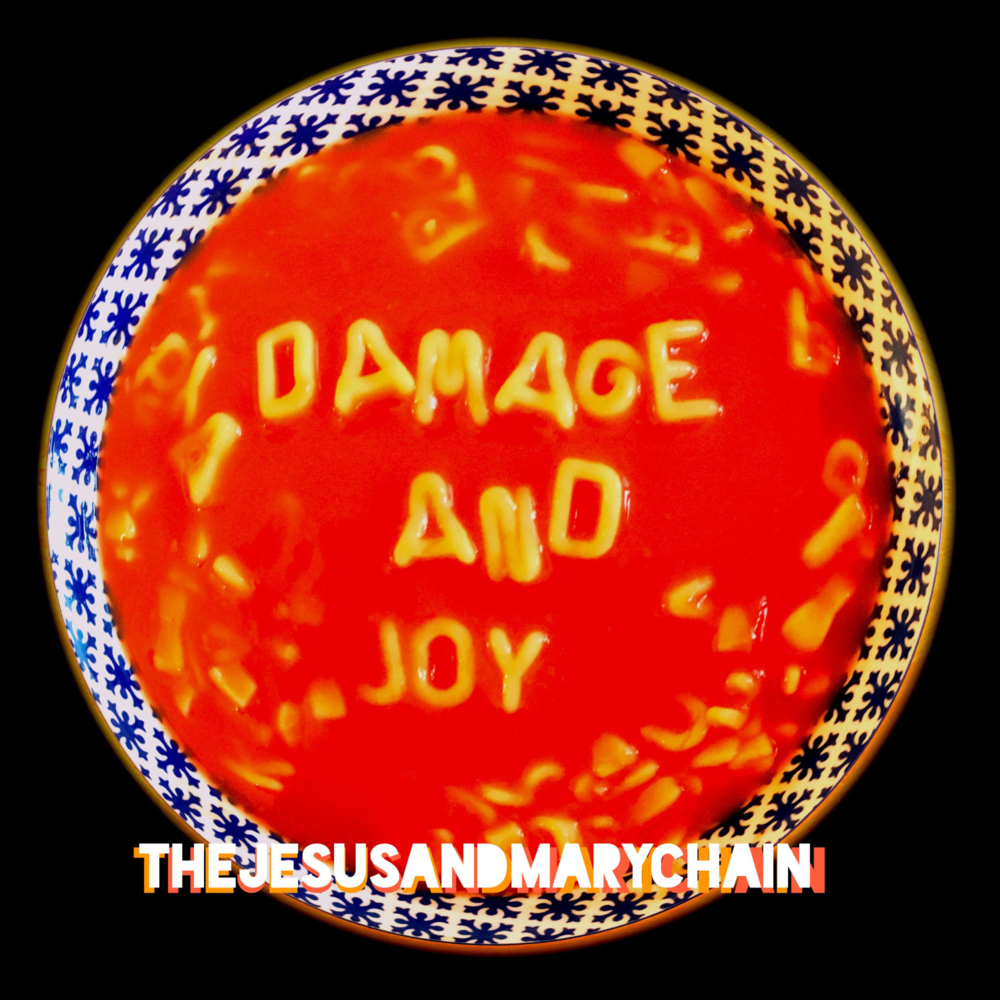
 View Artist