Song Meaning
The lyrics paint a picture of a life that was once effortless and admired, directly contrasting it with a present state of being lost. The opening lines establish a clear dichotomy: life's hardships diminish significantly when one is perceived as a 'star.' This status seems to grant immunity from cruelty and fosters a sense of universal admiration, where 'everybody looks up' and people actively 'wanna believe in' the star. It suggests a period of validation and perhaps even a feeling of invincibility tied to this elevated position.
The central tension emerges with the stark declaration, "I lost my way / When I lost my star." This phrase is the emotional core, revealing that the narrator's sense of direction and purpose was intrinsically linked to their status as a 'star.' The loss isn't just about fame or recognition; it's about losing the very foundation upon which their life was built and their identity was formed. The repetition of "When you're a star" in the first stanza hammers home how dependent the narrator's positive experiences were on this external validation.
The most striking aspect of the writing is the simple, almost childlike repetition that builds to a devastating conclusion. The initial lines feel almost like a mantra of privilege, listing the benefits of stardom with a certain detachment. However, this builds a powerful dramatic irony. The narrator isn't lamenting the loss of fame for its own sake, but for the fundamental stability and belief it provided. The final two lines are a gut punch, reducing the complex reasons for being lost to a single, profound loss: their 'star.'
This lyrical structure is effective because it mirrors the narrator's own perceived fall from grace. The initial ease and admiration described make the subsequent loss feel all the more profound. The bluntness of the final lines, "I lost my way / When I lost my star," cuts through any potential sentimentality, leaving the listener with a clear, sharp image of someone adrift after their guiding light has vanished.
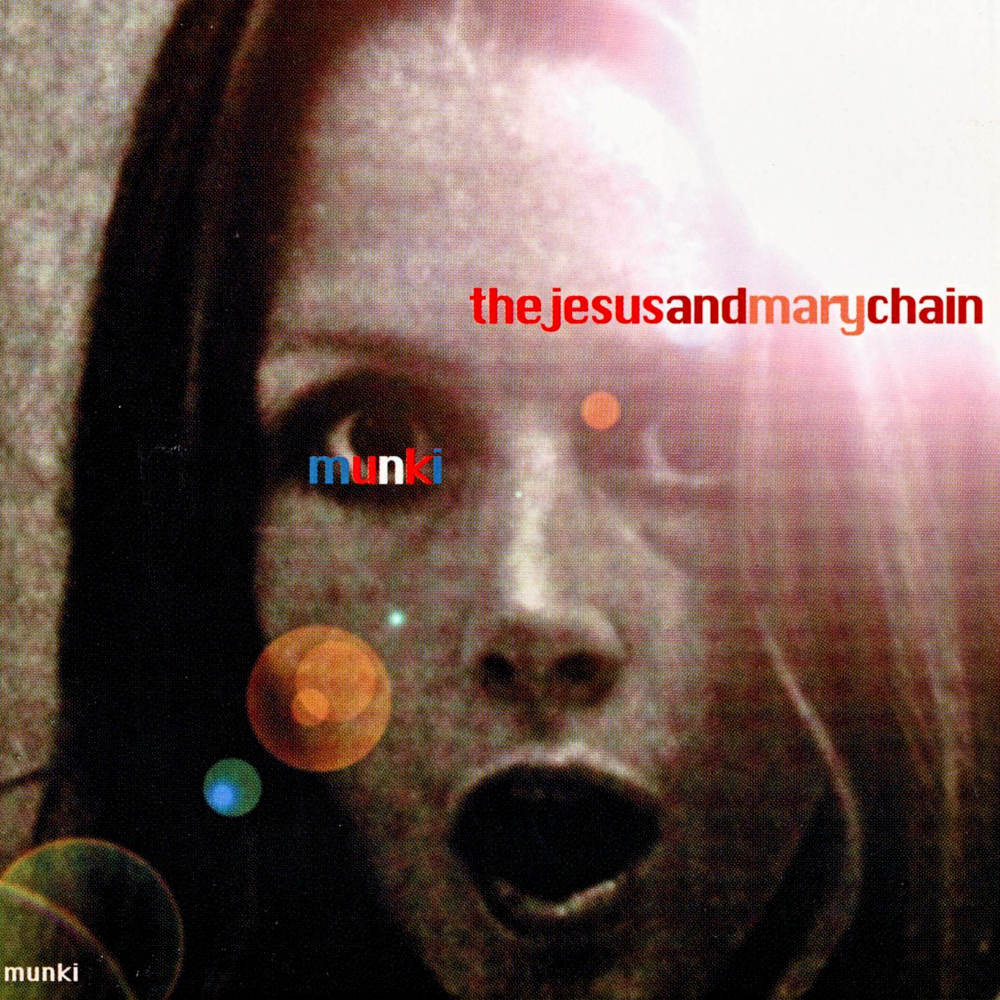
 View Artist