Song Meaning
The lyrics paint a stark portrait of a man caught in a cycle of hardship, his present illuminated by the cold glow of neon signs. His jaw, stained with tobacco, suggests a life lived rough, a weariness etched onto his face as it reflects the artificial light. This image sets a tone of stagnation, of a life observed rather than actively lived, with the repeated reflection emphasizing a sense of being trapped in the moment.
The central tension arises from the contrast between this bleak reality and the internal solace the man finds. The recurring image of the "red firecracker, it don't explode" acts as a potent metaphor for unfulfilled potential or a suppressed force. Despite the external circumstances, a "picture in his mind passed down" offers a sense of belonging, a feeling that "feels like going home," suggesting a deep-seated yearning for peace or a lost ideal.
The writing crafts this internal conflict through sharp, almost brutal imagery. The "two bullet-holes" in his suit are a visceral detail, hinting at past violence or significant loss that has impacted his outward presentation and perhaps his very identity. This is juxtaposed with the mundane act of calculating cash at "happy hour," highlighting the disconnect between a potentially dangerous past and a present defined by meager survival.
Ultimately, the effectiveness of these lyrics lies in their ability to evoke a complex emotional landscape with minimal, yet powerful, strokes. The narrator observes the man's plight with a mix of empathy and detachment, particularly in the final verse's "I suppose there's a better way / To calm him down." This understated reflection underscores the tragedy of the man's situation – a life of quiet desperation where even the desire for peace feels like a distant, uncertain possibility.
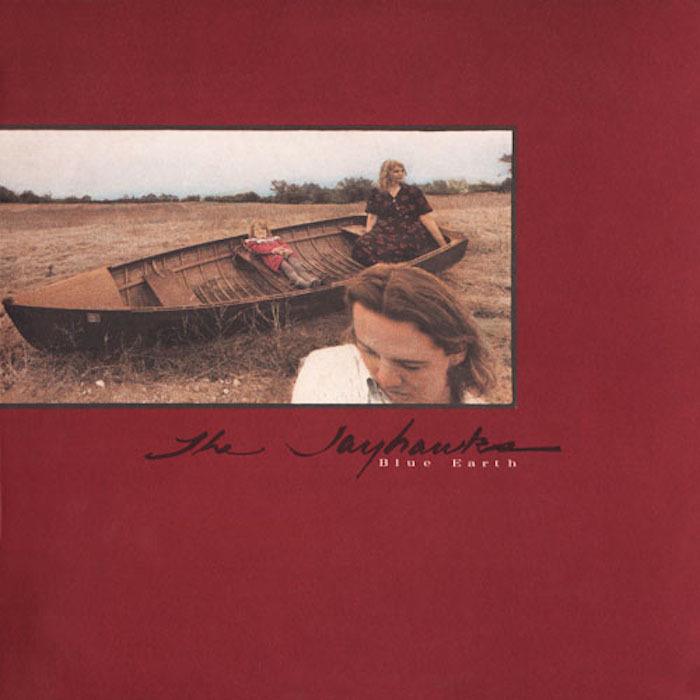
 View Artist