Song Meaning
The lyrics paint a picture of someone grappling with intense fear of loss, so much so that they've altered their own existence. The opening lines, 'Before the first light / Hits the floor / Dying on some wind,' evoke a sense of fragility and impending doom, suggesting a life lived on the edge of collapse. This fear of losing 'you' is the catalyst for a significant personal change, a desperate attempt to secure a connection that feels precarious.
The central tension lies in the narrator's self-perception and their relationship with the 'you' they address. The phrase 'So I made a change' is deliberately vague, but coupled with 'There's no one there / Tell you how to live,' it implies a shift from a controlling or perhaps absent presence to one of passive observation. The question 'Do I know you better now?' after waking up 'that same way' suggests a lingering uncertainty, a hope that the change has brought clarity or deeper understanding, yet the repetition of 'I'm still dreaming' casts doubt on the reality of this newfound connection.
The most striking element is the repeated refrain, 'I'm still dreaming, now I'm yours.' This phrase creates a powerful ambiguity. Is the narrator finally claiming ownership of their dreams, and by extension, themselves, now that they belong to someone else? Or does it mean their dreams are still detached from reality, and this sense of possession is merely an illusion within that dream state? The repetition amplifies this uncertainty, making the declaration of ownership feel both fervent and potentially hollow.
Ultimately, the effectiveness of these lyrics stems from their raw emotional vulnerability and the unresolved questions they leave. The narrator's fear and the subsequent ambiguity of their altered state create a compelling portrait of someone desperately seeking belonging, even if that belonging exists only in the hazy space between waking life and a persistent dream. The lack of concrete details forces the listener to project their own experiences of fear, change, and the elusive nature of connection onto the narrative.
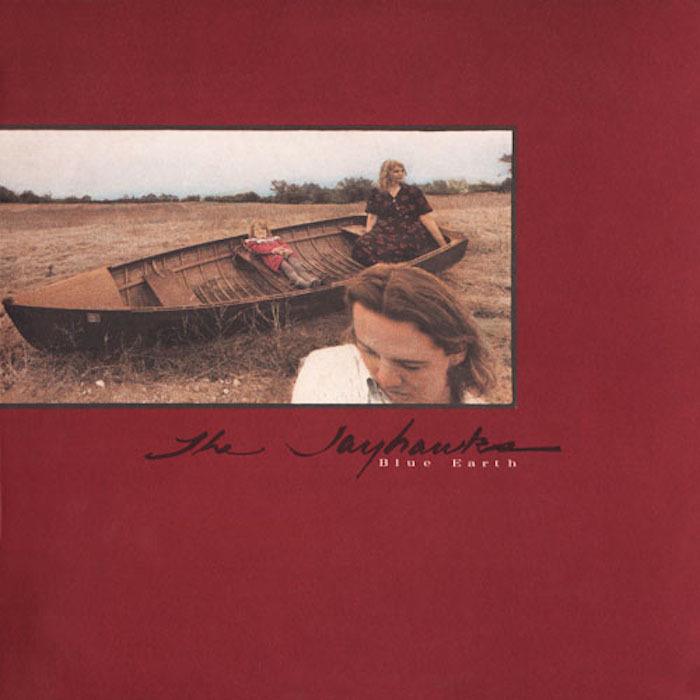
 View Artist