Song Meaning
The narrator walks through a world filled with destruction and trash, yet repeatedly insists, "I'm not in prison." This stark contrast between external chaos and internal declaration suggests a profound sense of gratitude for basic freedoms, even when surrounded by decay. The lyrics paint a picture of someone acutely aware of suffering and squalor, choosing to focus on their own mobility and existence as a form of liberation. It's a defiant affirmation of present circumstances against a backdrop of overwhelming negativity.
The central tension lies in the narrator's self-congratulatory refrain, "What a lucky man!" juxtaposed with the grim realities they observe. They acknowledge the "destruction" and "trash lying there at my feet," yet immediately pivot to self-affirmation. This isn't denial, but rather a conscious choice to frame their personal experience as fortunate, highlighting a potential disconnect between societal collapse and individual perception of well-being.
The most striking element is the relentless repetition of "I'm not in prison." This phrase, hammered home in the chorus, transforms from a simple statement of fact into an almost mantra-like assertion. It implies that the narrator perceives the world's problems as potential prisons – perhaps metaphorical ones of despair, poverty, or lack of agency – and their current state, however imperfect, offers an escape from those specific confines. The act of saying it aloud, especially after observing the external decay, becomes a way to reinforce their own perceived freedom.
Ultimately, these lyrics resonate because they tap into a primal human instinct to find solace and gratitude amidst hardship. The writing doesn't shy away from the bleakness of the world the narrator inhabits, but instead uses that darkness to amplify the power of their chosen perspective. The insistent chorus feels less like a boast and more like a necessary, hard-won realization that even a world full of destruction doesn't necessarily equate to personal captivity.
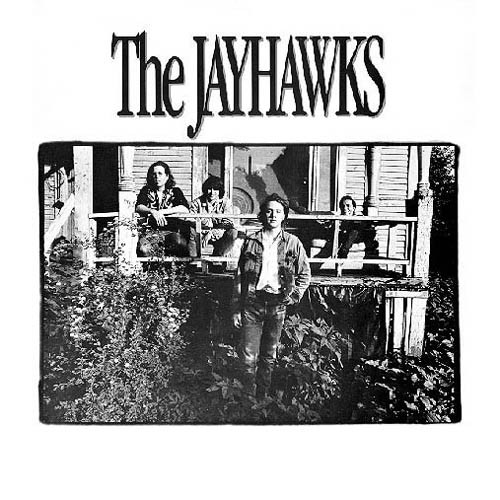
 View Artist