Song Meaning
The lyrics paint a bleak picture of existence within a suffocating collective, where individual perception is warped by the sheer weight of numbers. The narrator finds life "very difficult" and "very intricate" when immersed in this "crowd," a space where "fear and hate" are palpable and inescapable. This isn't just about social pressure; it's about a fundamental distortion of reality, where seeing things "as they really are" becomes a burden, leading to a desperate, yet futile, desire to "breakaway."
The central tension lies in the narrator's internal conflict between the desire for individuality and the overwhelming pull of conformity. The urge to "go on holiday" or wish to be "faraway" is immediately quashed by the crowd's implicit dictates, suggesting a loss of agency. Even the notion of personal desire is questioned, as the narrator observes that "nobody wants to die, although the crowd say they do," highlighting a profound disconnect between internal feelings and external performance.
The most striking element is the introduction of "the combine" as the singular star, reducing individuals to mere "actors" playing pre-assigned "roles." This "combine" seems to represent an amorphous, controlling entity—perhaps media, societal expectations, or a shared, manufactured consciousness—that dictates the narrative. The list of "Sunday papers," "Page 3 girls," and "News at ten" further solidifies this idea, presenting a barrage of external stimuli that define the collective experience, making even distant "war" feel irrelevant to the insulated "we're alright" mentality.
Ultimately, the lyrics resonate because they articulate a deep-seated anxiety about losing oneself in the collective. The final lines, "No one to hurt us / Except ourselves," deliver a chilling self-awareness. The external "crowd" and its "combine" may dictate the roles, but the true damage, the self-inflicted wounds of conformity and lost individuality, are the most potent threat, making the struggle to "breakaway" a tragically internal one.
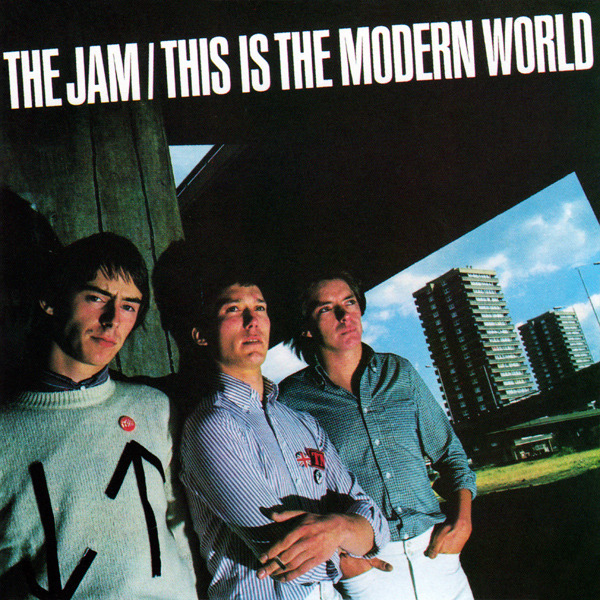
 View Artist