Song Meaning
The narrator paints a stark picture of internal conflict and external isolation. There's a clear disconnect between the speaker and another person, framed by a sense of inevitable loss for one and defeat for the other. This sets up a desperate, almost primal state, marked by the recurring image of "screamin' at the moon again." It feels like a raw, unfiltered cry into the void, a desperate attempt to be heard or understood when all other avenues seem closed.
The core tension lies in the narrator's self-proclaimed "Wild Man" persona, juxtaposed with a "child man" vulnerability. This duality suggests a person driven by instinct and perhaps destructive impulses, yet simultaneously childlike and exposed. The "fire in my brain" and "ice in my veins" further emphasize this internal war, a chaotic mix of passion and cold detachment that leaves the narrator "way beyond amends."
The lyrics masterfully employ contrasting imagery to highlight this fractured state. The "fire" versus "ice" is a potent example, but the most striking is the repeated phrase "screamin' at the borderline." This suggests a person teetering on the edge, not just of sanity, but of existence itself, their cries directed at the very boundary of what is acceptable or survivable.
Ultimately, the effectiveness of these lyrics stems from their unflinching portrayal of a mind in distress. The raw, almost blunt language – "I've been raped," "I got nothing left to hide" – combined with the cyclical nature of the "Wild Man" refrain, creates a powerful sense of being trapped in a destructive loop. It’s a visceral expression of pain and a desperate plea, amplified by the stark simplicity of the language and the overwhelming sense of being on the precipice.
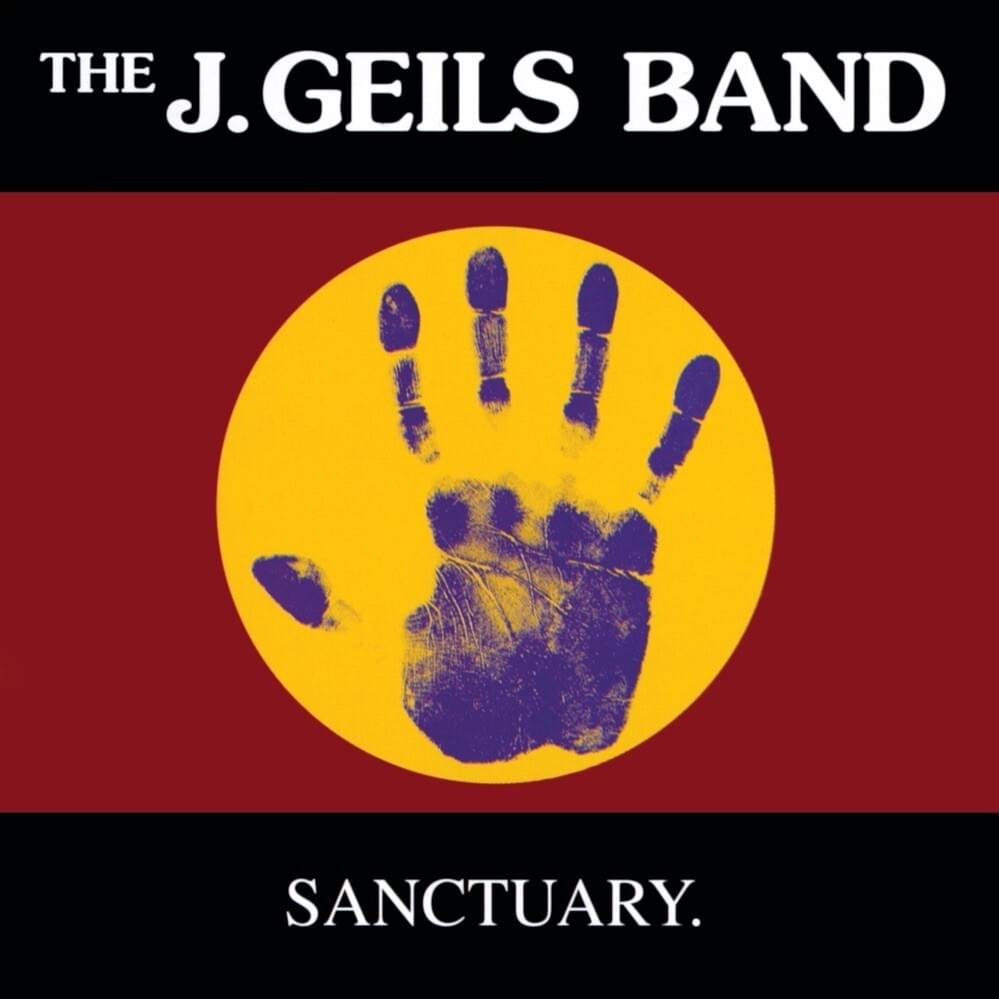
 View Artist