Song Meaning
The lyrics paint a vivid picture of a landscape inhabited by unseen forces, specifically the "little men" or "wee folk." The narrator and their community live in a state of cautious respect, or perhaps fear, of these beings. The opening lines immediately establish a sense of place, moving from the "airy mountain" to the "rushy glen," suggesting a wild, untamed environment where human activity is restricted. The repeated refrain, "We darn't go a hunting / For fear of little men," underscores a fundamental boundary: nature, in this case, is not entirely ours to exploit.
The core tension lies in the implied power dynamic between humans and the fae. While the fae are described as "wee folk, good folk," their actions are not necessarily benign. The planting of "thorn trees" is a deliberate act of territorial marking, a warning against intrusion. The consequence for defying this warning is stark: "He'll find their sharpest thorns / In his bed at night." This isn't a gentle reprimand; it suggests a swift, personal retribution, highlighting the fae's ability to infiltrate and disrupt human comfort and safety.
The imagery of the fae themselves is intriguing, though brief: "Green jacket, red cap / And white owl's feather." This attire suggests a connection to nature – green for the earth, red for perhaps berries or blood, and the owl's feather for wisdom or nocturnal activity. It creates a distinct visual, differentiating them from mere sprites and hinting at a more organized, perhaps even regal, presence. The contrast between their seemingly whimsical appearance and the sharp, punitive nature of their defenses is a key element of their mystique.
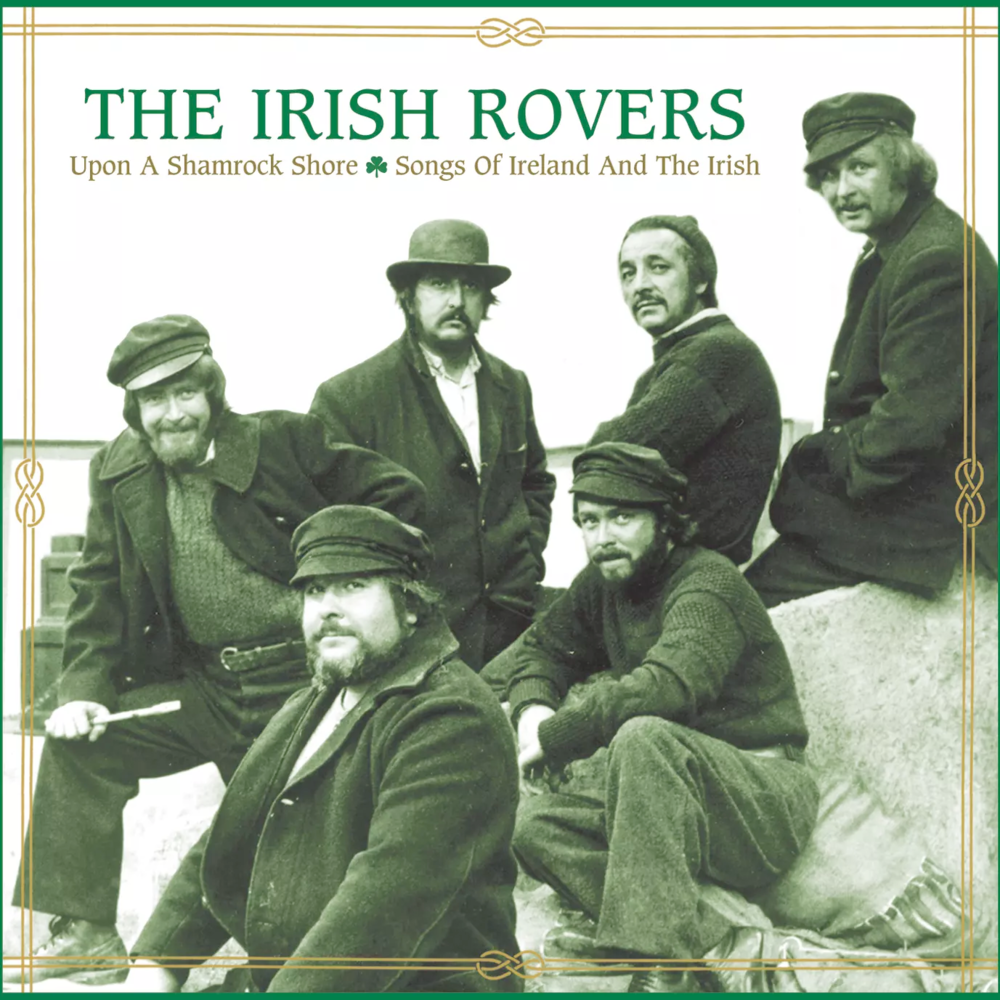
 View Artist