Song Meaning
The lyrics paint a picture of a group, the "young pretenders army," engaged in a performance of rebellion and freedom that feels hollow. The opening lines, "Play with me just like a lost kitten in a tree," establish a tone of playful, perhaps even desperate, invitation, immediately undercut by the idea of being "set it off and alternative that's never of it's knees." This suggests a struggle or a forced posture, not genuine liberation. The repeated call to "come along, join in on the fun" feels less like an invitation and more like a command to participate in a charade. The narrator questions the very meaning of this collective performance, asking, "And now what does this all mean to me?"
The central tension lies in the contrast between the outward projection of being a "young pretenders army" and the internal reality of their actions. They "consume lifestyles just to be set free," a paradoxical pursuit that highlights a lack of authentic agency. The idea of paying a fee and being "dead set on target" implies a transactional, perhaps manufactured, form of engagement. The repeated phrase "Wow said you weren't free yeah" seems to mock a perceived lack of genuine freedom in others, while the army itself appears trapped in its own performance of liberation.
The most striking craft element is the relentless repetition of "We pretend." This isn't just a statement of their identity; it's the core of their existence. They "pretend that everything is gonna be alright," "pretend the revolution is in sight," and "pretend rebellion's close at hand." The escalation from specific pretenses to the simple, almost exhausted, "We pretend we pretend we pretend" reveals the emptiness at the heart of their collective identity. It’s a self-aware admission of a manufactured movement, where the act of pretending has become the only reality.
These lyrics resonate because they capture a specific kind of modern disillusionment. The "young pretenders army" isn't fighting a tangible enemy; they're fighting the emptiness of their own performance. The writing effectively uses the language of rebellion and freedom to expose the lack of it, making the listener question the authenticity of movements that prioritize appearance over substance. The final, almost whispered, "I Swear If U Do" adds a layer of desperate, almost pleading, sincerity to the preceding artifice, leaving a lingering sense of unease.
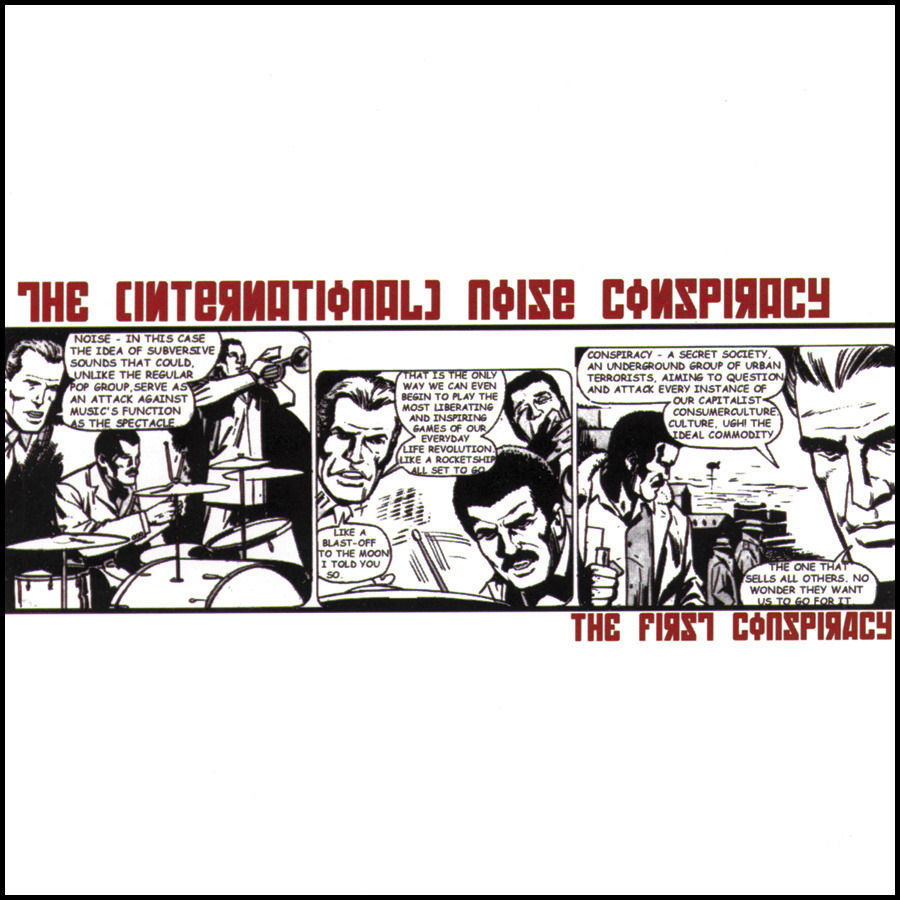
 View Artist