Song Meaning
The lyrics paint a picture of a specific, almost nostalgic summer, marked by a father's presence at the UN and the distinct sound of Brian Wilson, all underscored by the presence of rain. This sets a mood of quiet introspection, hinting at a past event or relationship that has left the narrator in a state of hopeful anticipation. The central question revolves around whether a 'she' will return, a possibility framed by specific days like Friday, suggesting a fragile hope tied to external events or a change of heart.
The core tension lies in the narrator's struggle against despair, contrasted with the external world's indifference or even cruelty. Friends offer unkind words, unaware of their impact, while the narrator yearns for escape. This desire for a simpler existence, a train journey to the Delta with a single suitcase and the solace of a grandmother's home, highlights a deep weariness and a longing for peace away from the current emotional turmoil.
The recurring image of 'a clearer day' and 'a clearer light' serves as a powerful motif for resolution and understanding, a state the narrator desperately wishes for 'her.' Yet, the lyrics sharply pivot, stating, 'You won't, you will not give in to despair and start your car.' This defiant stance against succumbing to hopelessness is crucial, especially when juxtaposed with the line 'It's everywhere, but in your heart,' suggesting that while external circumstances might be bleak, the internal battle against despair is the immediate, personal fight.
This piece resonates through its delicate balance of specific, evocative imagery and raw emotional vulnerability. The contrast between the grand stage of the UN and the intimate wish for a grandmother's porch, the sound of Brian Wilson against the sting of unkind words, all build a complex emotional landscape. The lyrics' effectiveness stems from this grounded portrayal of longing and resilience, where hope for another's return is intertwined with the narrator's own fight to avoid giving in to despair.
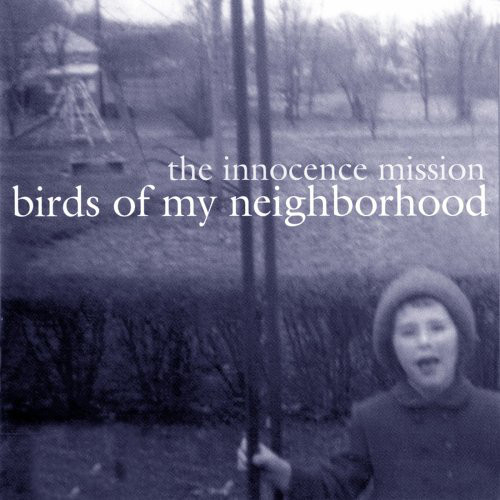
 View Artist