Song Meaning
This song paints a picture of a love story unfolding, starting with a simple meeting and blossoming into a profound declaration. The initial encounter is framed as the genesis of a shared "sweetest dream," a feeling that takes root in the narrator's heart. The lyrics emphasize the overwhelming beauty of the beloved, focusing on their eyes and voice as unparalleled and captivating. This idealized perception sets the stage for the dream's ultimate fulfillment.
The central tension lies in the transition from the nascent dream to its tangible realization. The narrator recounts specific sensory details – holding hands, caressing lips, hearing a whispered confession – that mark the progression of their relationship. The repeated phrase "sweetest" acts as a constant refrain, reinforcing the idyllic and almost perfect nature of these moments. The climax arrives with the spoken and sung repetition of the beloved's "I love you, my darling," solidifying the dream's arrival.
The craft here relies heavily on hyperbole and sensory accumulation. Every element, from the "bluest eyes" to the "sweetest voice" and "sweetest lips," is presented as the absolute pinnacle of its kind. This exaggeration isn't just descriptive; it functions to elevate the romantic experience to an almost mythical status. The repetition of "sweetest" and the specific phrase "The sweetest dream came true" hammers home the narrative's resolution and the narrator's profound satisfaction.
What makes these lyrics resonate is their earnest, unadulterated expression of romantic fulfillment. The writing builds a world where love is pure, overwhelming, and ultimately, perfectly realized. The focus on specific, tender actions like holding hands and whispering "I love you" grounds the grand declarations in relatable intimacy, making the arrival of the "sweetest dream" feel earned and deeply felt.
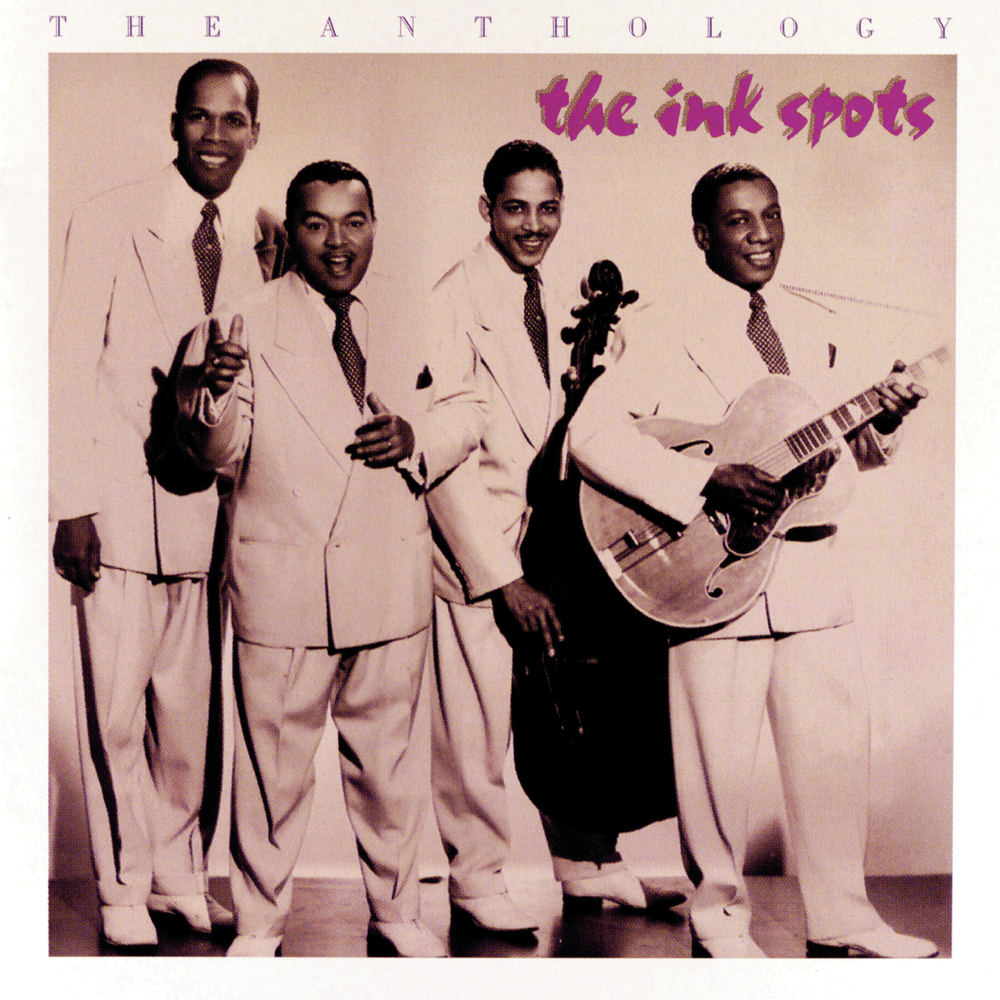
 View Artist