Song Meaning
This track captures the raw, aching aftermath of a breakup where one person has clearly moved on. The narrator is left grappling with the stark reality of being replaced, acknowledging the finality of the situation with a painful resignation. The opening lines immediately set a tone of bewildered hurt, as the narrator confronts the fact that their love has been reciprocated only to be met with abandonment. It's a direct confrontation with the end, delivered with a heavy sigh.
The central tension lies in the narrator's impossible wish for their ex's happiness juxtaposed with their own profound suffering. They declare, "I wish you the best of everything, though I got the worst of it all." This isn't a magnanimous gesture; it's a statement of bitter irony, highlighting the cruel imbalance of their shared experience. The narrator is forced to perform a grace they don't feel, a forced benediction over a situation that has devastated them.
The most striking aspect of the writing is the persistent internal conflict between letting go and holding on. Despite acknowledging the ex's new love and the broken vows, the narrator admits, "My love for you will never die." They even confess, "I tried to hate you but it's hard to pretend," revealing a deep-seated affection that refuses to yield to logic or pain. This internal battle between the desire for closure and the inability to sever emotional ties is the song's emotional engine.
Ultimately, the lyrics resonate because they articulate a universally difficult emotional state: loving someone who no longer loves you back and wishing them well anyway. The narrator's struggle to reconcile their own pain with the ex's apparent joy creates a poignant, almost tragic, sincerity. It's the sound of someone performing the ultimate act of self-negation, a painful, quiet surrender that feels both noble and utterly heartbreaking.
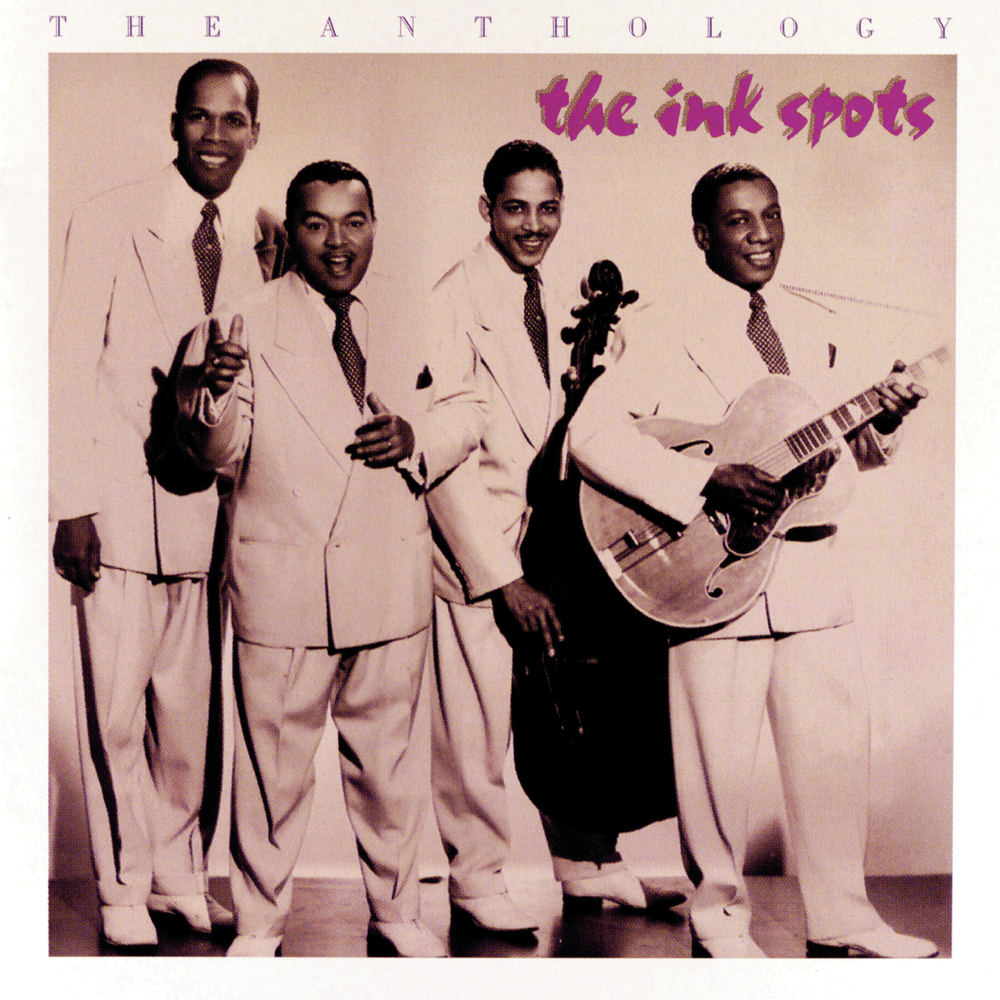
 View Artist