Song Meaning
The lyrics paint a stark, almost grimy picture of a clandestine meeting. The "factory chimney cough[ing] yellow smoke" and the "rumbling" trucks and trains immediately establish a working-class, industrial setting. There's a palpable sense of urgency and risk, underscored by the narrator's instruction to "throw down the key from your window high" and the awareness that "your man's out drinking." The dominant tone is one of hurried, illicit passion set against a backdrop of potential discovery and judgment, with "neighbours thinking evil."
The central tension lies in the race against time and the threat of the man's return. The narrator acknowledges the limited window: "We don't have long 'till he comes home from the bar." This precarious situation fuels the desperate plea to meet, with the narrator promising to be gone "a week of Sundays," suggesting a significant absence or departure. The proposed meeting spots, "the bronze horse or the clock tower," feel like public yet potentially discreet landmarks, adding to the clandestine nature of their rendezvous.
The most striking craft element is the juxtaposition of the gritty industrial setting with intimate, sensual imagery. The narrator is drawn in by the glow of the "electric fire" and observes the woman's physical presence: "Your grey slips falls around your feet / And across the sheet your nut brown curls go tumbling." This contrast between the harsh external world and the private, tender moments highlights the intensity of their connection, making the stolen moments feel even more precious and dangerous. The final line, "Don't cry now, you'll freak the baby," adds another layer of complication and vulnerability, hinting at a shared responsibility or a presence that makes their secret even more fraught.
These lyrics hit hard because they capture a raw, desperate intimacy born out of difficult circumstances. The writing doesn't shy away from the grimy reality, but it elevates the stolen moments with evocative, sensual details. The sense of impending doom and the fragile hope of a brief connection make the narrator's plea feel urgent and deeply felt, resonating with the universal desire for connection even when it's fraught with risk.
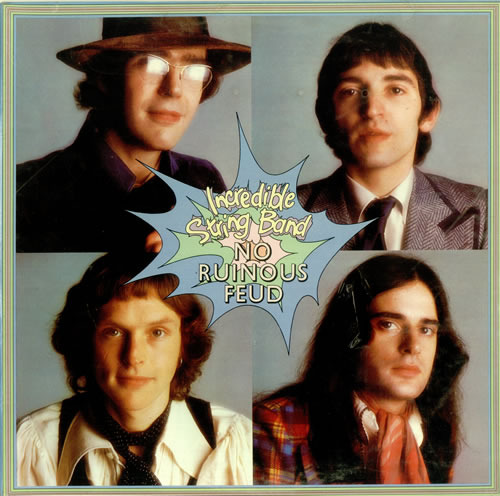
 View Artist