Song Meaning
The lyrics paint a cosmic, primordial scene where two entities, a "sailor" and a "dancer," are united before earthly time. This initial union is framed as a celestial dance, a foundational act occurring "beneath some shaded planet" and continuing "in the early dawn." The imagery suggests a timeless, almost mythical origin story, where connection and movement are the first expressions of existence, setting a tone of profound, ancient intimacy.
The narrative then shifts to a more grounded, though still ethereal, maritime setting. The "night" transitions into "day," and "fair sailors" observe the sea, which mirrors their "gazes." This reflection implies a shared perception or a mirroring of internal states with the external world. The "dancers" are now associated with the "air" and the "breezes" filling the sails, suggesting a graceful, almost effortless progression, a partnership between the tangible (ship, sails) and the intangible (air, breeze).
The most striking craft element is the blending of cosmic and earthly imagery, particularly the idea of "dances" as a force that "shall bear us into the night" and the ship's flight "Rising as a condor into the silvery sky." The lyrics propose that the very act of creation, the "birth" of Earth, is tied to this dance and the sailors' perception of "scenic air." The final image of watching "the first new dancers / As their bodies did unfurl" links the initial cosmic union to the emergence of life on Earth, suggesting that movement and connection are fundamental to existence itself.
This lyrical tapestry is effective because it elevates a simple concept of partnership into a grand, universal origin myth. By intertwining celestial and terrestrial imagery, the lyrics create a sense of awe and wonder, implying that the bond between the "sailor" and the "dancer" is not just personal but elemental. The careful progression from a pre-earthly dawn to the unfolding of Earth's first dancers grounds the abstract in a tangible, albeit poetic, unfolding of reality.
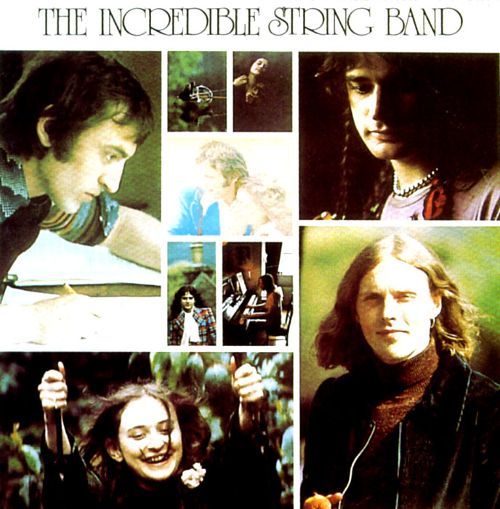
 View Artist