Song Meaning
The scene at the "lighthouse dance" is immediately unsettling: revelers laugh and dance while "ships were sinking" just offshore. There's a strange anticipation for a "queen to come," setting a tone of almost willful ignorance. This opening paints a picture of celebration happening directly alongside unfolding disaster. The atmosphere feels both festive and deeply ominous.
The core tension lies in this stark contrast between joy and impending doom. The narrator participates, noting "Oh how we danced," but also feels a profound internal shift, stepping outside to shake "the sweat felt madly sad." This suggests a struggle between outward participation and an internal awareness of the surrounding chaos, creating a sense of emotional dissonance. The lighthouse, a symbol of guidance, ironically presides over both the party and the wreckage.
The lyrics masterfully use perspective shifts to deepen this internal conflict. Initially, the narrator is part of "we laughed," but later observes "through the cracked window pane," feeling "quite lame" as Alice smiles. This detachment highlights a growing alienation, as if the party's forced gaiety no longer resonates. The abstract questions — "Oh do you dance, you serenader / Oh do you die, you masquerader" — further pull the narrative into a more philosophical realm, questioning the very nature of performance and existence amidst the chaos.
Ultimately, "At the Lighthouse Dance" is effective because it captures a universal feeling of navigating joy and sorrow simultaneously. The surreal imagery, like dreaming of angels while seeing "ships sinking," or the sea captain showing a "movie," elevates the narrative beyond a literal event. It becomes an evocative exploration of escapism, denial, and the quiet melancholy that can linger even in moments of collective celebration, making the listener ponder what they choose to see and ignore.
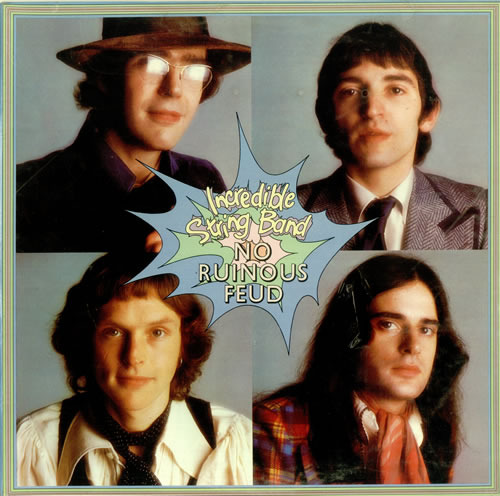
 View Artist