Song Meaning
The narrator insists on an unbreakable, eternal connection, even in the face of separation. The repeated phrase "You'll be always mine" acts as a mantra, a desperate assertion of ownership that transcends the present reality. It paints a picture of someone clinging to a past or imagined future, unwilling to accept the finality of a breakup. The lyrics suggest a deep-seated belief that this bond is predestined, a force that will inevitably pull the subject back.
This possessiveness creates a palpable tension. The narrator acknowledges the other person's declaration of being "through" but dismisses it with a confident, almost defiant, "Remember my child, I said it too." This line, particularly the paternalistic "my child," hints at a dynamic where the narrator feels a superior, guiding knowledge of their shared fate. The "uneasy feelin'" in their heart when apart reveals a vulnerability beneath the assertive claims, a fear that their conviction might be unfounded.
The most striking aspect is the unwavering certainty presented as a form of comfort, albeit a potentially suffocating one. The narrator frames their belief as an attempt not to "confuse you so," implying their pronouncements are for the other person's benefit. This suggests a warped logic where their possessive love is actually a benevolent force, a guarantee against loneliness or straying. The sheer repetition of "mine, mine, all mine" hammers home this singular, all-consuming focus.
Ultimately, the effectiveness lies in this unsettling blend of absolute conviction and underlying insecurity. The lyrics capture a specific kind of desperate love, one that refuses to let go and projects its own desires onto the other person's future. It's a powerful portrayal of how deeply held beliefs, even if rooted in a misunderstanding of reality, can shape one's perception of connection and control.
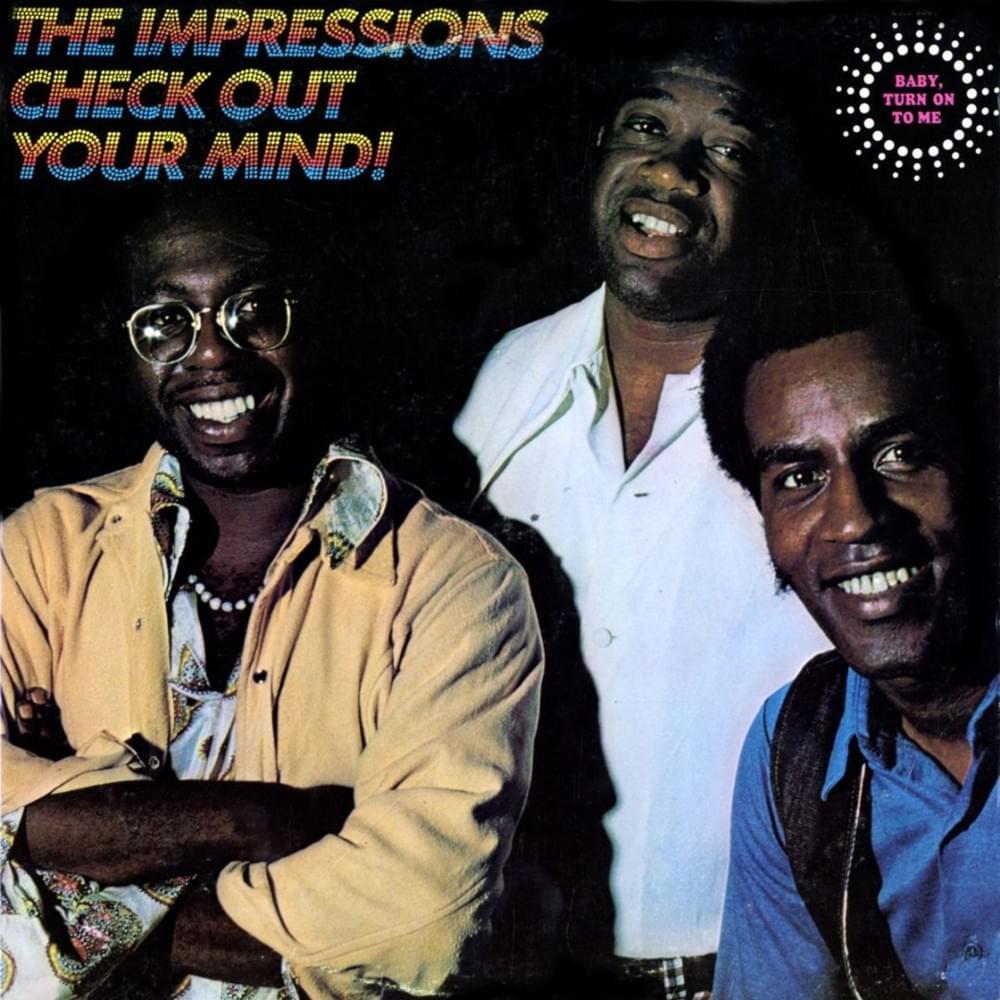
 View Artist