Song Meaning
The lyrics frame the Mona Lisa as a figure of profound, almost enigmatic, human emotion. The narrator directly addresses the painting, questioning the source of its famous, mysterious smile. It's presented not just as art, but as a potential confidante, someone whose expression holds a deep, unspoken narrative about loneliness and hidden pain. The repeated questioning suggests a desire to penetrate the artwork's silence and understand the 'strangeness' behind its gaze.
The central tension lies in the ambiguity of the Mona Lisa's expression: is it an invitation, a seduction, or a shield? The lyrics pose this dichotomy directly, asking if the smile is meant to "tempt a lover" or "hide a broken heart." This uncertainty transforms the painting from a static object into a dynamic, almost sentient entity, burdened by the weight of unspoken feelings and the unfulfilled desires of those who project onto it.
The most striking lyrical device is the stark contrast between the 'lovely work of art' and the potential for deep, human suffering. The repeated lines about dreams brought to the doorstep that "lie there and they die there" powerfully illustrate this. It's a poignant image of dashed hopes and the silent decay of aspirations, all seemingly reflected in the painting's impassive facade. The narrator grapples with whether the Mona Lisa is 'warm' and 'real' or merely 'cold,' highlighting the human yearning to connect with something beyond mere aesthetic appreciation.
Ultimately, the effectiveness of these lyrics stems from their ability to imbue a universally recognized image with profound, relatable human vulnerability. By focusing on the mystery of the smile and the implied emotional weight it carries, the narrator taps into a collective fascination with hidden depths and the quiet tragedies that art can sometimes seem to hold. The persistent questions leave the listener contemplating not just the painting, but the nature of expression, loneliness, and the stories we project onto the silent figures we admire.
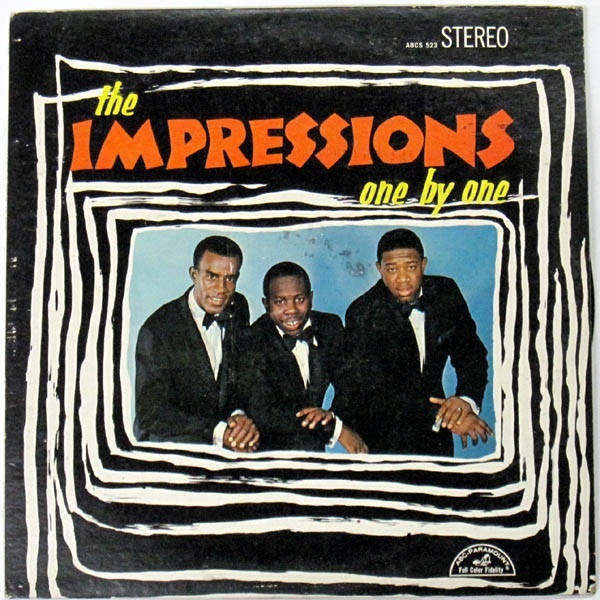
 View Artist